




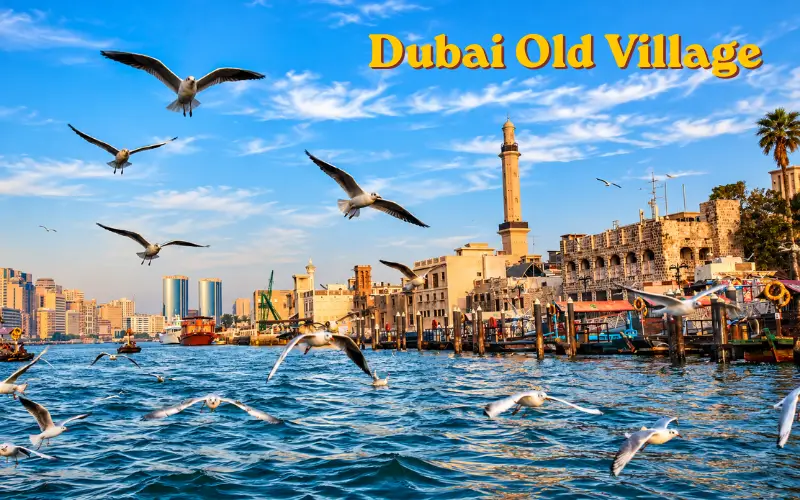
The Dubai Old Village is the historic section of Dubai with old architecture and old streets and cultural heritage that testify to the life of Dubai before the emergence of its modern skyline. Some of the top places to explore Dubai’s heritage are the Al Fahidi Historical Neighbourhood, Al Shindagha Heritage District, and Dubai Creek. The places are all remnants of the old Dubai, from the traditional houses and wind towers to the maritime trade that contributed to the development of Dubai as a commercial city.
A visitor can stroll down the narrow streets, surrounded by traditional houses; witness the historic wind towers; visit museums; and browse the Gold Souk and Spice Souk. These historic districts are worth a visit for those interested in the history, culture, and traditional life of Dubai and can be explored by an abra ride across Dubai Creek as well. When visiting, or even if you are planning a longer trip or even a full day of sightseeing, it can be helpful to know which heritage areas to visit to make the best of your time!
Quick Facts About Dubai Old Village
| Detail | Information |
| Common name | Dubai Old Village or Old Dubai |
| Main heritage area | Al Fahidi Historical Neighbourhood |
| Historic waterfront | Dubai Creek |
| Other important district | Al Shindagha Heritage District |
| Emirate | Dubai, United Arab Emirates |
| Main attractions | Traditional houses, wind towers, museums, souks and heritage exhibitions |
| Cultural experiences | Walking tours, traditional food, local crafts and abra rides |
| Getting around | Dubai Metro, buses, walking and traditional abra boats |
| Best time for outdoor exploration | Early morning or late afternoon, especially in cooler months |
| Entry costs | Depend on the attraction; walking through public streets is different from entering museums or paid experiences |
Please note that “Dubai Old Village” is not a single attraction, but rather a popular phrase used for the area of Dubai that is home to the old city. Opening times, access, and entry to individual sites vary.
Where Is Dubai Old Village Located?
The Dubai Old Village is a historic area surrounding Dubai Creek, which played a major role in the early trading economy in Dubai. The main districts are located opposite each other on their respective sides of the creek in Bur Dubai and Deira.
Al Fahidi Historical Neighbourhood is located in Bur Dubai, while Al Shindagha is on the historic waterfront close to the entry to the creek. Over the water, Deira’s traditional commercial streets and markets are noted.
Enjoy several heritage attractions in this area in one outing, with roads, walking tracks and waterways linking the sites.
Al Fahidi Historical Neighbourhood
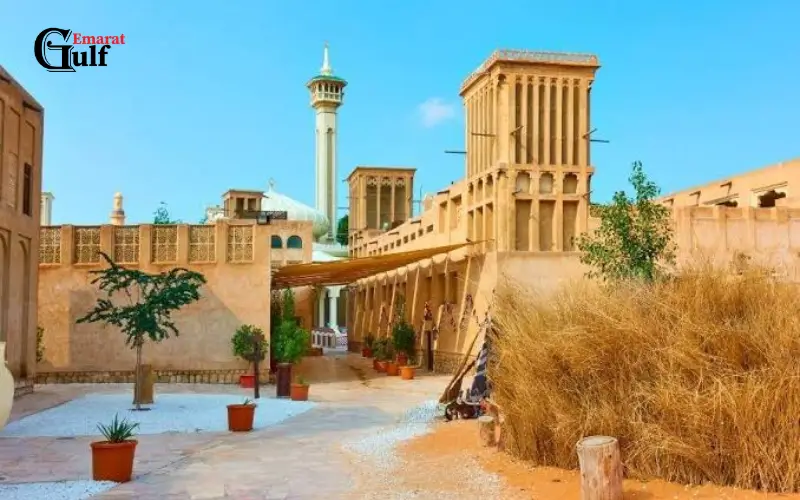
Al Fahidi Historical Neighbourhood is one of the most iconic heritage neighbourhoods in Dubai. The narrow lanes, restored buildings, shaded courtyards and traditional wind towers provide a glimpse into residential life prior to the fast pace of the city’s development.
There are over 50 heritage houses and cultural venues such as museums, art galleries and cafes in the neighbourhood. Sheikh Mohammed bin Rashid Al Maktoum Centre for Cultural Understanding is also available where visitors can learn about Emirati customs and traditions.
This is a good place to start for those interested in historic buildings, photography, or a stroll through Old Dubai.
Al Shindagha Heritage District
The other important element of Dubai’s history is Al Shindagha. Being close to Dubai Creek, it enables access to the heritage of maritime activities, trade, and communities that helped the city grow.
The district features the Al Shindagha Museum and restored heritage buildings that help to depict aspects of traditional Emirati ways of life. The museum experience is not limited to viewing old architecture, but also covers aspects of the sea, Dubai traditions, social life, and the development of Dubai.
If you would like to see structured cultural exhibitions in addition to your stroll through the historic district, pick Al Shindagha.
Dubai Creek architecture butthe Traditional Markets
The Dubai Creek connects the historic areas and gives an idea of how Dubai developed as a trading centre. The abra boats are still in use today and provide a convenient link between Bur Dubai and Deira, as well as a unique experience for visitors.
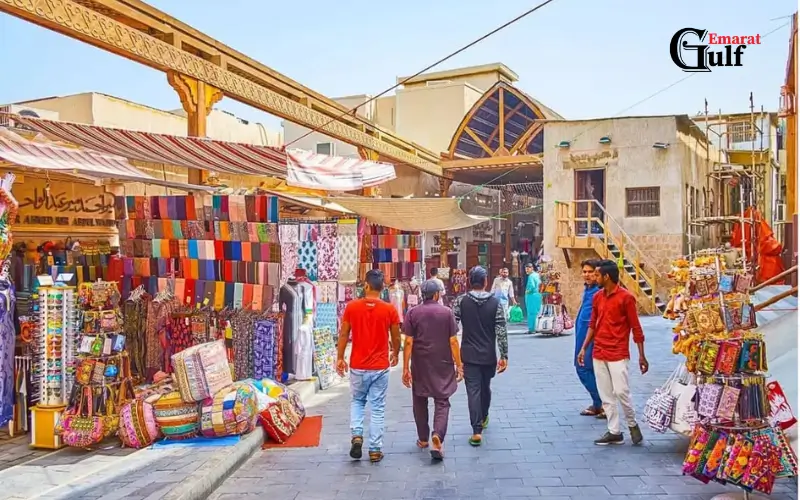
It is the long history of commerce that is reflected in the Gold Souk and Spice Souk on the Deira side. Bur Dubai offers a textile souk and other streets where you can browse fabrics, clothing, and more.
These waterfront areas, combined, provide a larger experience than that of visiting one heritage building.
What Can You See at Dubai Old Village?
Old buildings are not the only things found in the historic districts. Each attraction offers an explanation of the community’s life, the way in which the merchants did business, and the relationship between Dubai and the sea and the effects this had on it.
1. Traditional Wind Towers and Courtyard Houses
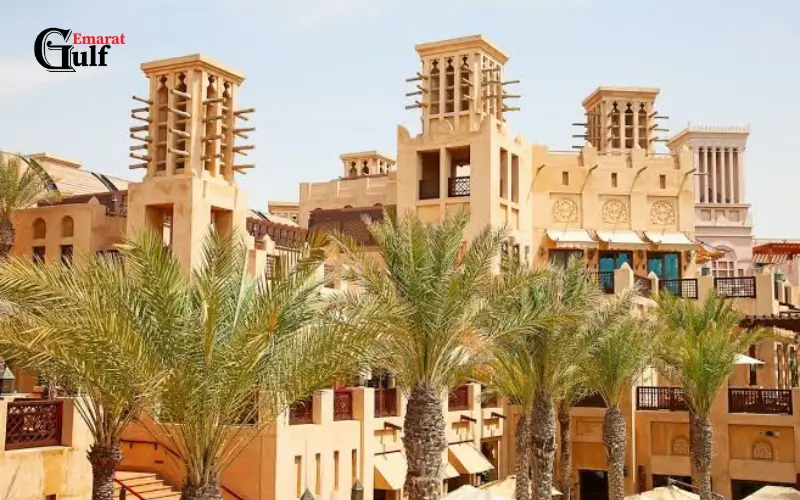
The barjeel, or wind tower, is one of the most unique architectural elements of traditional Dubai architecture. These buildings were designed to pull in the wind and push it into the building, much like a traditional air conditioner before ACs were common.
Traditional materials such as gypsum, timber, and stone are used in the historic houses in Al Fahidi. Their courtyards and narrow passages are also expressions of the requirements for living in a hot, dry climate.
Look closely at the difference between the buildings. Some are distinguished by their wind towers, others by their simple façade, their wooden doors, and the closed courtyards. This information can be of interest even if a museum isn’t involved.
2. Al Shindagha Museum
For those looking for the history and not just pictures, the Al Shindagha Museum is an apt option to consider. The key attraction is Dubai Creek: Birth of a City, which has been created to narrate the story of how the creek led to the development of the city of Dubai through multimedia, photographs, and historical artifacts.
The museum also has the Perfume House, which is an exposition of how perfume has been used in Emirati culture and the history of perfumes in the region.
Allow additional time if you intend to explore several museum buildings. Please refer to the official information of Al Shindagha Museum before visiting, as admission and access to specific exhibitions could change.
3. Dubai Creek and Abra Boats
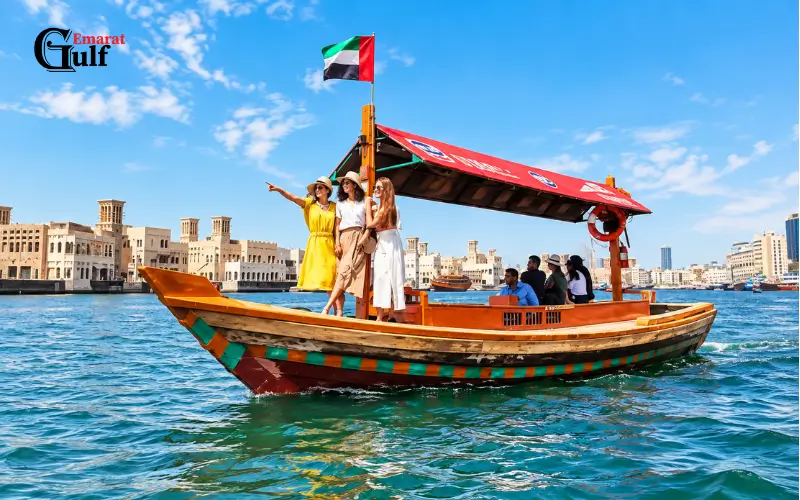
One of the easiest ways to enjoy this historic bond between Bur Dubai and Deira is on an abra boat ride. The boats are traditional wooden vessels that carry people across Dubai Creek, with trading vessels and modern waterfront buildings coexisting in the background.
If services run, cross from Bur Dubai Abra station to the Deira side of the Buruj. Although not long, the crossing provides a fresh view of the historic waterfront as well as an opportunity to leisurely combine sightseeing with market visits.
Dubai has entered into the Guinness World Records for the world’s most expensive traditional crossing of a creek, charging AED 1 for a normal passenger. Ask the operator if the service does the same route and the current fare before travelling, particularly when hiring a private boat instead of a regular boat.
4. Sheikh Mohammed bin Rashid Al Maktoum Centre for Cultural Understanding
The Sheikh Mohammed bin Rashid Al Maktoum Centre for Cultural Understanding (SMCCU) is a chance for visitors to learn about Emirati customs, hospitality and social traditions.
It can help visitors to understand the meaning of the practices they encounter in its cultural activities. Depending on the programme, experiences can involve traditional food, discussion of culture, and other educational aspects.
Please see the official centre’s information for the current programmes, booking requirements and pricing. Please note, not all activities are open for walk-ins.
5. Textile Souk, Gold Souk and Spice Souk
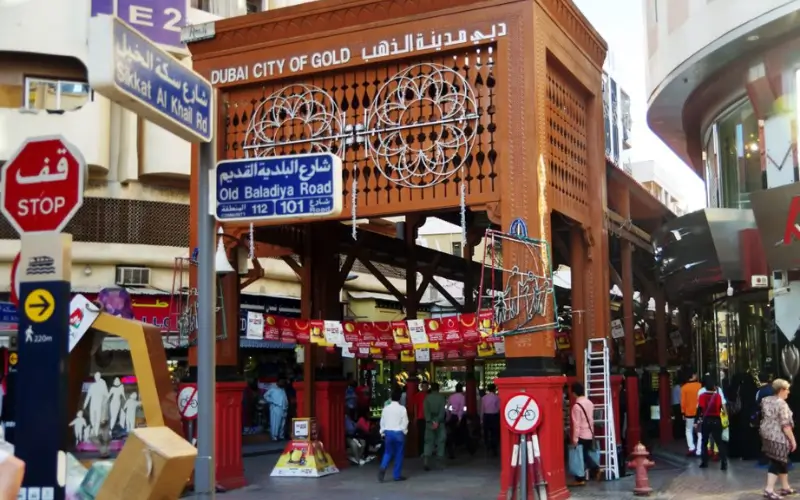
The traditional souks are not simply heritage exhibits but business districts. They are involved in trading with their neighbours and tourists, preserving the historical trading element of the city’s daily life.
Bur Dubai is famous for its Textile Souk, which specializes in clothes and textiles. On the opposite side of the creek, Deira’s Gold Souk is renowned for jewellery, and Spice Souk is a souq for spices, herbs, dried goods, and traditional perfumes.
Shop around for the best price and product specifications. When purchasing gold jewellery, be sure to inquire about the gold purity, weight, making costs, and final price. When buying spices, look at the pack size and contents of the package, especially when buying spices for an international flight.
6. Al Seef Waterfront
Al Seef is located in a waterfront environment, where it is home to restaurants, cafés, shops and modern visitor facilities that complement the heritage-inspired architecture.
The development is located along Dubai Creek and features a space dedicated to traditional architecture. If you’ve been to Al Fahidi, this is a good place to stay for dinner or to take a break on the waterfront without overdoing the bedtime museum hours.
But Al Seef is a modern development inspired by the Dubai heritage. It is not to be confused with an undisturbed historic village.
7. Al Fahidi Fort and Dubai’s Early History
Al Fahidi Fort is a historic landmark in the city. Visit Dubai has marked its construction year as 1781, and it is said to be the oldest building in Dubai.
The fort represents a part of the early construction of the city as well as the function of the fort in the city’s history. Visitors should note that the historic fort and the overall museum experience are two different things; arrangements for access and displays may change.
If you plan to make the fort the main attraction of your Dubai tour, be sure to consult Dubai’s official cultural and museum lists to find out which facilities are open to the public.
The History Behind Dubai Old Village
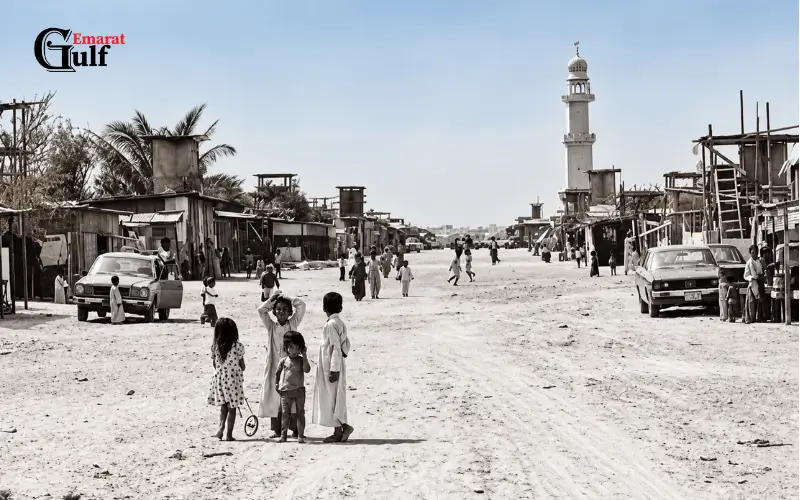
Dubai’s growth and expansion were closely tied to the sea, trade, and communities around Dubai Creek. The region was home to maritime activities, trade, and settlement that thrived on water access long before the modern skyline rose above the horizon.
The creek linked local and regional trading networks. Movement between the Arabian Gulf and neighbouring markets gave rise to a trading economy, which included merchants, boat operators, and craftspeople. Pearl diving was also a major aspect of the maritime heritage of the region.
The modern history of Dubai is invariably linked to the settlement of the Al Maktoum family and their followers around the creek in 1833. The settlement became a trading centre with settlements on each side of the waterway over time.
Different sections of that story are preserved in the historic districts. Al Fahidi explains el-ezhah (dwelling architecture), Al Shindagha is the interpreter of the sea and community life, and the markets of Deira are a testament to the trading traditions still visible today.
These places are of particular value because of the change they endured from a small trading settlement to a major international city. They reveal that the history of Dubai did not vanish with modernity; it is woven into the city’s current-day streets, markets and cultural spaces.
Why Traditional Architecture Matters
Traditional buildings are important historic attestations, as they reflect the way in which people responded to their environment. Heat, sunlight and privacy were controlled with thick walls, shaded courtyards, compact streets and wind towers.
These were not just added as decoration. They were a reflection of the materials available, building skills, and social practices of the communities that built them.
Conservation of the historic fabric also provides a tangible link for the next generations with past lifestyles. Although museums can tell stories about the past, original streets and buildings can help people understand what size and shape the places were.
How to Plan a Visit to Dubai Old Village
It is best to visit Old Dubai as a set of historic neighborhoods rather than as an attraction. There are several hours that you can spend just exploring the main streets, or you can spend a full day visiting the museums, markets, meals, and the waterfront.
Suggested Half-Day Itinerary
This walk includes a number of main historic landmarks and a visit to the traditional market. Plan for about 4-5 hours, depending on the rate of walking, the amount of time for museum visits and shopping.
| Suggested order | Place | What to do |
| 1 | Al Fahidi Historical Neighbourhood | Walk through traditional streets and admire wind towers |
| 2 | SMCCU or a local museum | Explore Emirati customs and cultural history |
| 3 | Textile Souk | Browse fabrics and traditional shops |
| 4 | Dubai Creek | Cross by abra to Deira |
| 5 | Spice Souk and Gold Souk | Explore historic markets |
| 6 | Al Shindagha Museum or Al Seef | Add a museum visit or enjoy the waterfront |
If you don’t want to see all the attractions on the route, you can cut it back. If you want to visit Al Shindagha Museum, you may want to spend additional time as there are multiple spaces for exhibits. The official tourist information of Dubai also provides cultural walking routes that lead to Al Fahidi, Dubai Creek and the souks.
How to Reach Dubai Old Village
The historic districts of Dubai can be reached by public transport (Metro) or taxi. The best way to get there will depend on which attraction you want to go to first.
By Dubai Metro: The Green Line serves several useful stations in the historic districts, including Al Fahidi, Al Ghubaiba and Al Ras. Select the station that is closest to your starting point and review the walking path before departing the station.
By bus: Dubai’s public bus network connects neighbourhoods and major transport hubs. Please refer to the official Dubai public transport website for routes and updates.
By taxi: A taxi can be convenient if you are travelling with children, older family members or a group. When providing information to the driver, provide the specific name of the attraction and not just the general term “Old Village.”
Abra: These are traditional creek boats which connect the designated points on the waterfront of Bur Dubai and Deira. This will be helpful if you are travelling both sides of the creek.
Public transport options in Dubai include both the metro and buses, as well as taxis and marine transport, all of which take Nol cards. Before travelling, please review the payment guidelines for the service in question.
Best Time to Visit Dubai Old Village
The colder seasons are usually better for visiting outdoor heritage neighbourhoods. The narrow streets, outdoor markets and the waterfronts are great places to walk from November through March when it is not quite as hot as it is during the summer.
In warmer months, go to the park early in the morning or late in the afternoon for outdoor sightseeing. Bring plenty of water, wear comfortable shoes, and visit the indoor features or cafés for rest breaks.
When it comes to the best time, it is also a matter of priorities. For travellers who prefer to visit the city in the morning, the morning visit will fit in; for those who wish to see the city in the late afternoon, the late afternoon visit will fit in with the opportunity to go to the market and stroll around the waterfront.
Not all museums and galleries or stores are open during the same hours. Please refer to the opening times for each day and major holidays or special events.
Entry Fees, Food and Visitor Tips
A ticket is not required to take people through public streets and outside to view historic buildings. Some museums, cultural programmes, guided tours and indoor attractions might require an admission or booking.
For instance, Al Shindagha Museum has its own ticketing and opening page. Check the up-to-date information before you visit; don’t take someone else’s old prices.
Food too is a part of the experience. There are many cafes and restaurants around Al Fahidi and Bur Dubai offering Emirati cuisine, as well as other regional and international dishes. Eating local food is a chance to enjoy the city’s hospitality and the variety of local cuisine.
Here are some tried and tested tips to consider:
- Historic lanes and market streets are best explored on foot, so wear comfortable footwear.
- Respect culture and religion by wearing proper attire at cultural and religious sites.
- Respect people’s privacy, particularly in the market and residential areas.
- Please check museum admission, tour dates, and times in advance.
- Separate small purchases and transportation costs from the museum budget.
Visit Dubai and Dubai Culture are the official visitor sites.
Is Dubai Old Village Worth Visiting?
Yes, if you are looking to learn more about Dubai than just the skyscrapers, shopping centres and luxury hotels. The historic districts are characterized by their traditional architecture and local commerce, maritime history and cultural exhibitions, and offer a different experience.
Al Fahidi is ideal for architectural and photographic purposes. Visitors should visit Al Shindagha if they wish for a more linear museum experience, and Dubai Creek and souks for a glimpse of the historic trading nature of the city in daily life.
Families can take a short heritage walk, cross the bridge for a boat ride, and have a meal. Those interested in history might want to spend more time in the museums, and those with less time can concentrate on Al Fahidi and the creek.
A key is to select attractions based on your interests rather than wishing to see all the historic districts in one trip.
Conclusion
The Dubai old village experience can be understood as a tour of the various historic districts of Dubai rather than a single village. Al Fahidi shows traditional home architecture, Al Shindagha takes you through the cultural and maritime history of Dubai, and Dubai Creek links the old trading areas with their traditional markets.
Begin in Al Fahidi, cross the creek with an abra, and then either visit the souks or add a visit to a museum or waterfront stop. This way, you get a real feel of what Dubai’s heritage is all about without being too hasty on the points that make it unique.
Read Also: Bur Dubai: History, Attractions, Shopping, Food and Transport
Emirates National Auto Museum Visitor Guide: Tickets, Timings & Top Attractions
Everything You Should Know Before Visiting the Etihad Museum in Dubai
Frequently Asked Questions
Is Dubai Old Village an official place?
Dubai Old Village is not an official name for the neighbourhood and is searched a lot. Generally, it is about historic places like Al Shindagha, Al Fahidi, and Dubai Creek.
Where can I find the old village area in Dubai?
Bur Dubai and Deira, either side of Dubai Creek are the main areas of heritage. Al Fahidi Historical Neighbourhood is a starting point to explore the traditional streets and historic buildings.
Is Old Dubai free to visit?
Most public heritage streets are open to the public, but museums, guided tours, and cultural activities may require admission fees. Please note that the prices of some attractions may vary; check before visiting.
What are the main attractions in Old Dubai?
Al Fahidi Historical Neighbourhood, Al Shindagha Museum, Dubai Creek, Gold Souk, and Spice Souk are popular attractions. Both provide a unique perspective on the city’s heritage and traditional culture.
How much time should I spend exploring Old Dubai?
A short walking tour and crossing the creek will take approximately 4 to 5 hours, which will include a visit to selected markets. If you want to visit a number of museums and indulge in the traditional foods, allow a full day.
How can I reach Dubai Old Village by Metro?
The Dubai Metro Green Line has stations including Al Fahidi, Al Ghubaiba and Al Ras. Select the station nearest to your first attraction and know what the walking route is before you travel.
What is the difference between Al Fahidi and Al Shindagha?
Al Fahidi is famous for its traditional houses, narrow lanes, and Wind Towers, while Al Shindagha specialises in heritage exhibitions and the history of Dubai’s maritime heritage. A trip to both will provide a wider range of information about the city’s history.
Can I take an abra ride across Dubai Creek?
Yes, there are traditional abras which connect points between Bur Dubai and Deira. The ride provides access to the historic waterfront and traditional markets, and is easygoing.
What should I wear when visiting the historic areas?
Wear comfortable shoes and lightweight clothing that is appropriate for walking. Modest dressing is expected at cultural or religious sites, and having water on hand is helpful in warm weather.
Is Dubai Old Village suitable for children and families?
Well, yes, families can go through the historic lanes, visit some museums, go shopping, and go for an abra ride. Make regular breaks in the schedule, particularly on hot summer days.