



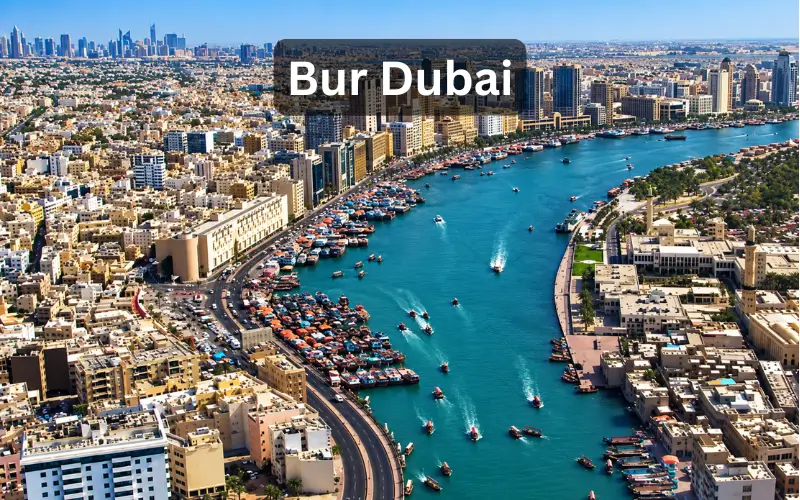
Bur Dubai offers a window into the city’s more traditional side, where Dubai Creek, traditional markets, traditional buildings, and everyday life come together. The area is especially appealing for those who seek more than the modern malls and skyscrapers and would like to explore sites within the Al Fahidi Historical Neighbourhood, Textile Souk, Meena Bazaar, and creekside places.
This area of Dubai is unlike most newer neighbourhoods; it is easy to walk around. In the relatively short time of a few hours, you can experience the restored wind-tower houses, take a traditional boat transfer, and have a meal at a waterfront restaurant, and then, in just a few minutes of travel, catch the metro to continue towards Deira, Downtown Dubai, and other areas of the Emirate.
What is Bur Dubai known for?
Bur Dubai is also associated with old Dubai, the Dubai Creek and the culture of the city. The historic core encompasses Al Fahidi Historical Neighbourhood, traditional souks, mosques, galleries, museums and streets, which document the city’s growth prior to the development of its modern skyline.
The creek is one of the most important features of the area and is located next to the neighbourhood. Dubai Creek is a historic trading and seafaring hub, and the waterfront is still a vital aspect of what it offers today.
There is also a significant South Asian commercial and culinary presence in the neighbourhood. This section of Dubai has a much more authentic feel than its mega shopping malls, particularly the textile and jewellery markets, food stalls, and the traditional clothing sold in the markets.
Variety is the travellers’ greatest good. With the use of transportation, heritage, shopping, food, and public transport can be done without having to spend the day going from one attraction to another.
Best places to visit
Al Fahidi Historical Neighbourhood
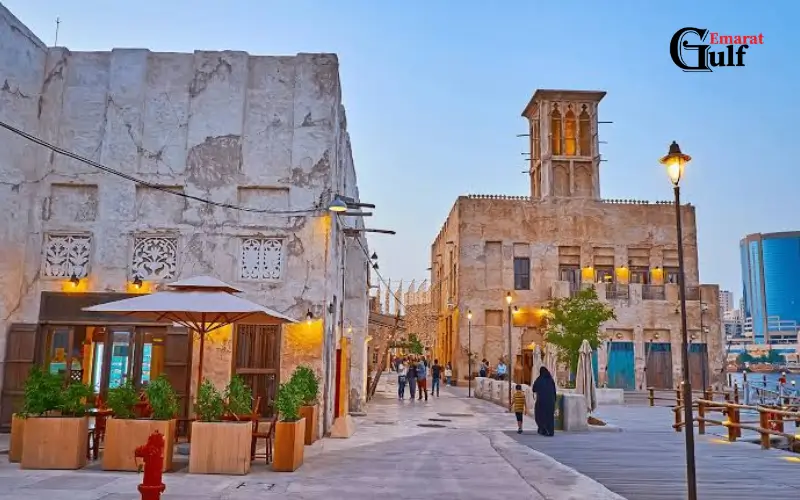
The most prominent cultural offering in the neighbourhood is the Al Fahidi Historical Neighbourhood. It showcases the lifestyle in Dubai in the 19th and early 20th century with its restored buildings, narrow lanes, courtyards and traditional wind towers.
One of the main attractions is the architecture. Stone, teak, gypsum, palm wood and sandalwood were used for traditional building materials, and wind towers were installed to help ventilate buildings before the invention of air-conditioning.
Give time to look, don’t just take photos. The neighbourhood boasts cultural spaces, galleries, cafés and historic sites; the slow walk will help you to get a sense of the district’s activities.
Al Fahidi Fort and Dubai Museum
The Al Fahidi Fort is one of the most important historic buildings in Dubai. Visit Dubai claims it was constructed in 1787 and functioned as a fort, a weapons store, a prison, and finally as the home of Dubai Museum.
It is important to note that Al Fahidi Fort/Dubai Museum is currently closed for renovations. To visit Dubai, visitors are encouraged to visit the fort but not enter the museum.
This is important as it shows that many older travel pages still reference the museum as an active attraction. Before making travel plans around its official visit, verify its status.
Dubai Creek and an abra ride
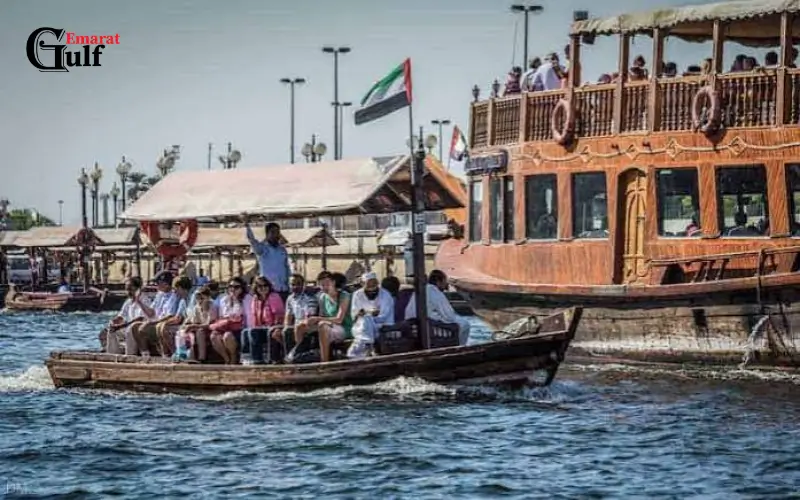
One of the most basic things to do in Dubai Creek is to ride an abra. Currently, RTA operates a few services on the creek, such as Al Fahidi–Deira Old Souq, Al Seef–Baniyas and Al Sabkha–Al Fahidi. These listed prices are valid for the time being and are subject to change for Ramadan and public holidays.
The crossing is also functional since the creek is a boundary for the historic areas on both sides. Bur Dubai side gives access to Deira, where you could further explore the traditional markets.
Cash, NOL, credit and debit cards are all accepted at marine transport stations, says RTA. It is advisable to check the current service at the station, as there can be variations between services.
Textile Souk
One of the most popular shopping spots in the area is the Textile Souk. Fabrics, embroidery, traditional clothing, and other items are sold from shops, and tailors and artisans can be found and engage in bespoke clothing.
Even if you’re not interested in purchasing anything, it’s worthwhile to visit. The market is covered, and the lanes around it offer a much more traditional shopping experience than that found in the large indoor malls in Dubai.
When buying fabric or hiring someone to tailor, shop around and look at the products and prices at several stores.
Grand Bur Dubai Mosque
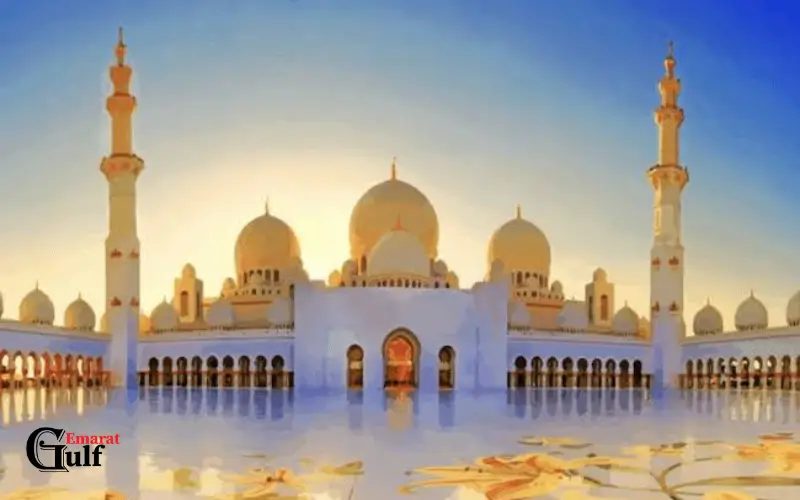
Another landmark in the historic quarter is the Grand Bur Dubai Mosque. Visit Dubai has cultural programmes including a visit to a mosque, an introduction to Islamic beliefs, prayer demonstrations and time for questions and answers.
When visiting religious sites, there are some rules of modesty to consider. Please verify the current visiting policy and programme in the mosque before visiting, as these may be subject to change.
Al Seef
Al Seef blends traditional architectural designs with restaurants, cafes, shops and a waterfront location by Dubai Creek. The development is approximately 1.8 kilometres long down the creek and includes some heritage and some modern sections.
This is an excellent night stop after Al Fahidi. Walking along the water, choose a restaurant to eat at or head on to other Old Dubai attractions.
Al Shindagha Museum
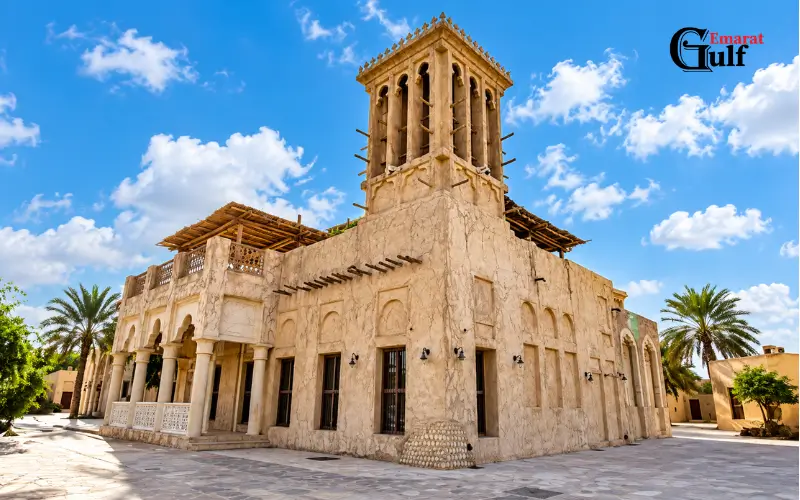
Al Shindagha is on the other side of the creek and forms the historic area of Al Shindagha, the place where the heritage experience goes beyond Al Fahidi. The Dubai Creek: Birth of a City is a Dubai history and maritime exhibition that is part of the Visit Dubai programme.
It is a good addition for visitors looking for more than just market shopping and architecture, but for historical context as well.
Shopping in Bur Dubai
The word “souks” doesn’t reflect the variety of shopping here. Old-style markets coexist with modern retail outlets, electronics stores, tailors, and restaurants.
Meena Bazaar
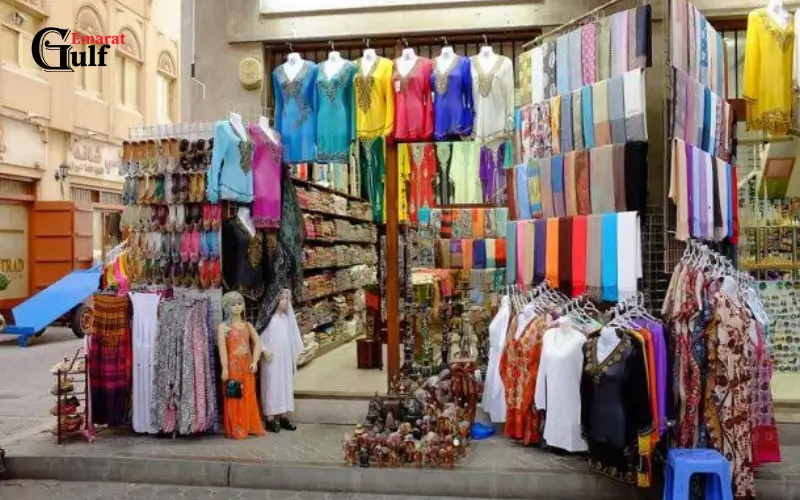
Meena Bazaar is a South Asian fashion and handicraft shop in particular. According to Visit Dubai, the market is situated along a single street between Al Fahidi Street and Khalid Bin Al Waleed Road and houses hundreds of vendors selling fabrics, clothing, shoes, jewellery, and bags.
Perfumes, spices, ceramics and more are also available. The market is quite busy all day and especially later in the evening, but some shops may be open for shorter periods.
If you are a shopper, the best way to do this is to compare the quality and cost, and not just the first shop you go into. In traditional markets, bargaining is common, and the price is determined depending on the product and the seller.
BurJuman
Unlike traditional markets, BurJuman offers a whole new shopping experience. The mall is also directly connected to BurJuman Metro station, which is convenient for those who prefer air-conditioned shopping, restaurants, and other modern facilities.
It’s also useful as a transport point, thanks to its location. Here, passengers can change between the Red and Green Metro Lines and head towards other areas of Dubai.
Food and dining
One of the best reasons for spending time in this area is for food. The dining scene accurately portrays the multicultural population of the neighbourhood, with Emirati, Indian, Pakistani, Iranian, Arabic, and other cuisines being represented.
Many traditional restaurants are located in Al Fahidi and the Creek area, allowing you to enjoy both food and a trip to see the heritage sites. Some of the best restaurants in Dubai, Al Khayma Heritage Restaurant, Arabian Tea House, and Bayt Al Wakeel, are among the restaurants in the historic district that are visited by tourists.
Bayt Al Wakeel is situated next to the Textile Souk and, as part of a historic building built in 1935, is ideal for a meal by the creek. Its outdoor deck overlooks the creek, which is also part of the experience.
Meena Bazar is another handy place for some eating and drinking, especially when you’re craving South Asian cuisine. There are numerous restaurants and small food enterprises, so it is simple to browse for food and eat a meal simultaneously.
How to get to Bur Dubai
The area is easily accessible by public transport.
By Metro: The most useful stations depend on where you are going. BurJuman connects the Red and Green Lines, while Sharaf DG and Al Ghubaiba are on the Green Line. RTA’s official station map verifies the existing station codes and line assignments.
By bus: Al Ghubaiba is also very convenient as it is a multimodal transport hub. The RTA defines it as a facility that allows passengers to change modes of transportation, such as from bus to metro, metro to taxi, or marine transport.
By abra: If you are making your way from Deira, a creek crossing may serve as a means to get to your destination, as well as an enjoyable sightseeing experience. The existing RTA transport system links the two sides via a number of marine transport routes.
By car or taxi: A taxi is convenient for getting to a particular hotel, restaurant or attraction, but parking and traffic may become less convenient around the busiest market streets.
How to plan a half-day visit
Not everything has to be included in a good itinerary. The old town is compact and allows you to enjoy multiple experiences in one.
From Al Fahidi Historical Neighbourhood, head into the lanes and check out the cultural spots. From there, head towards the Textile Souk and creek, taking a break for lunch or traditional refreshments en route.
Once you’ve had a look around, if the service and route are appropriate, head aboard an abra to Deira; it is then possible to go to the Gold Souk or Spice Souk before heading back to the city by metro or another creek crossing. The Al Fahidi, Textile Souk, Abra crossing, and Deira’s souks are recommended as an Old Dubai cultural experience by Visit Dubai.
For more time, make a visit to Al Shindagha Museum or Al Seef. The surrounding commercial streets and BurJuman are another facelift of the district.
Best time to explore the area
Dubai is best visited in the cooler months, but it is possible to visit the area all year round. In warmer times, mornings and evenings are better for outdoor activities.
Dubai’s heritage walking itinerary suggests a visit to the Old Dubai walking route during morning and early afternoon and recommends that visitors bring along water and a hat.
Markets can be especially good in the evening, and so can be the creekside dinners. Hours of operation vary from shop to shop, but typically Meena Bazaar’s shops remain open late.
These are subject to change during Ramadan and also public holidays. RTA especially mentions that the times for marine transport may vary during these periods, so it is important to check the latest information before travelling.
What to know before visiting
With a little preparation, it’s much easier to visit.
- Wear comfortable shoes as many interesting streets are best walked.
- Be respectful when visiting mosques and cultural heritage sites.
- Before travelling, please verify the attractions’ status, especially for closed attractions like Dubai Museum for renovations.
- Use a water bottle when outside, particularly out of the cooler season.
- If you are shopping at the market, do some research on products and prices before deciding which product to buy.
- Before starting an itinerary that relies on the timing of trains, buses, or abras, verify the RTA’s schedule information.
The prices of public transport tickets are based on the Dubai Transport Zones. RTA says the Nol fares are based on the number of zones travelled, and transfers between metro, bus and other eligible modes will be subject to the relevant rules.
Is Bur Dubai good for tourists?
Yes, there is special importance to the area for travellers who take an interest in history, traditional markets, local food and Dubai Creek. It also offers excellent public transport links, making it an ideal base for exploring the rest of the city, as well as a place to view the city.
Unlike areas like Dubai Marina or Downtown Dubai, it’s less about the stylish resort life. Instead, it’s the mix of historic buildings, bustling markets, multicultural eateries, and everyday urban life that makes it irresistibly charming.
The Textile Souk, Meena Bazaar, and an abra ride make the perfect introduction to Old Dubai for a first visit – without needing a whole day’s itinerary.
Conclusion
Bur Dubai is home to some of Dubai’s most unique parts, including Al Fahidi Historical Neighbourhood and the Textile Souk, Meena Bazaar, and Dubai Creek. Beyond its modern skyscrapers, its ancient streets, traditional markets, cultural highlights, and its variety of food make it worth a visit for those who want to see a different side of Dubai.
The area is easily explored by convenient Metro, buses, and abras. Bur Dubai has a lot to offer those who have a few hours to explore the historic sites, or a day to enjoy the markets, museums, creekside walks, and local food, all without wanting to be overwhelmed.
Read Also: Zabeel Palace Guide | History, Location And Nearby Places
Ultimate Dubai Night Beach Guide: Locations, Timings & Things to Do
Qiblatain Mosque, Medina – Complete Visitor Guide 2026
Frequently Asked Questions
What is Bur Dubai famous for?
Bur Dubai’s attractions are Dubai Creek, Al Fahidi Historical Neighbourhood, traditional souks, Meena Bazaar, and the Textile Souk.
Is Bur Dubai the same as Old Dubai?
Not exactly. The districts of Bur Dubai and Deira are part of Old Dubai, whereas the Old Dubai area is on the west side of Dubai Creek and encompasses historic neighborhoods like Bur Dubai.
Is Dubai Museum open now?
Dubai Museum at Al Fahidi Fort is undergoing renovations and may be viewed from the outside only.
Which metro station is best for the area?
Sharaf DG, Al Ghubaiba, and BurJuman are helpful stations to use if the attraction you wish to visit is not the same.
How much does an abra ride cost?
There are several traditional abra routes that are now running and charge AED 2 per ride, one of them being the Al Fahidi to Deira Old Souq route.
What can I buy at Meena Bazaar?
Fabrics, traditional clothing, jewellery, shoes, bags, perfumes, and handicrafts are sold at Meena Bazaar.
Can I walk from Al Fahidi to the Textile Souk?
Yes. The Textile Souk is located near Al Fahidi Historical Neighbourhood and is accessible on foot.
Is Bur Dubai suitable for families?
Yes. The area offers families opportunities to visit heritage sites, go shopping, drive to the creek, eat in restaurants, and experience cultural attractions.
What should I wear when visiting the historic area?
Dress appropriately and modestly, particularly at mosques and religious places.
How long do I need to explore the area?
Allow a few hours to see the main attractions and a full day for Al Fahidi, the markets, the creek, Al Seef, and neighbouring Deira.