


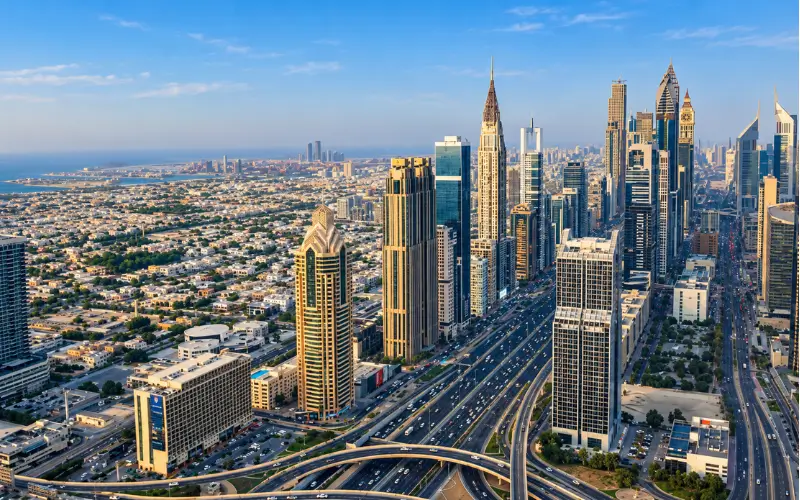
Dubai represents a city that almost everyone knows for architectural marvels, luxury shopping, and record-breaking attractions. People who visit this megapolis for the first time cannot resist the opportunity to visit world-famous places like Burj Khalifa, Dubai Mall, and Palm Jumeirah. The true depth of the emirate lies just beyond these bustling tourist centers. From serene desert oases to rugged mountain landscapes and quiet cultural enclaves, Dubai offers a wealth of hidden gems.
Considering not all destinations are available to be visited with public transport or taxis, it is always good to have a personal vehicle. Renting a car unlocks the freedom to discover the authentic, expansive side of the United Arab Emirates at your own pace.
Why Public Transport Is Not Enough for Hidden Gems
Dubai has a modern public transportation system. The city’s public transportation system is mainly built to move large numbers of people along main business and home roads.
- Limited Coverage. The Dubai Metro and Tram systems work well for getting around Sheikh Zayed Road. Big places, like Dubai Marina or Downtown. These systems do not go into the desert reserves, the Hajar Mountains, or the calm coastal neighborhoods.
- The Cost of Taxis. Although taxis and ride-hailing apps are plenty in the city center, using taxis and ride-hailing apps for long day trips or for trips that have stops soon becomes very expensive. Also, finding a return taxi from a spot such as a desert campsite can be very hard and may require long waits.
- Schedule Independence. Exploring hidden gems requires flexibility. A rental vehicle allows you to stay for a spectacular desert sunset or leave early for a sunrise hike without worrying about bus schedules or taxi availability.
These are some of the reasons why public transport is not enough for hidden gems.
Top Off-the-Beaten-Path Destinations in and Around Dubai
A personal vehicle turns your Dubai trip from a simple city break into a road trip. Here are some of the places you can reach mostly by car.
Al Qudra Lakes and Al Marmoom Desert Conservation Reserve
Just a 40‑minute drive from Downtown Dubai, Al Qudra is a group of man‑made lakes that sit inside the Al Marmoom Desert Conservation Reserve. Al Qudra feels far away from the city’s steel and glass. Al Qudra offers a chance to see more than 170 kinds of birds, free‑roaming flamingos, among them, and you might even see an Arabian oryx.
Public transport does not service this area. A car allows you to transport picnic gear and bicycles for the 86-kilometer Al Qudra Cycling Track and navigate the winding desert access roads comfortably.
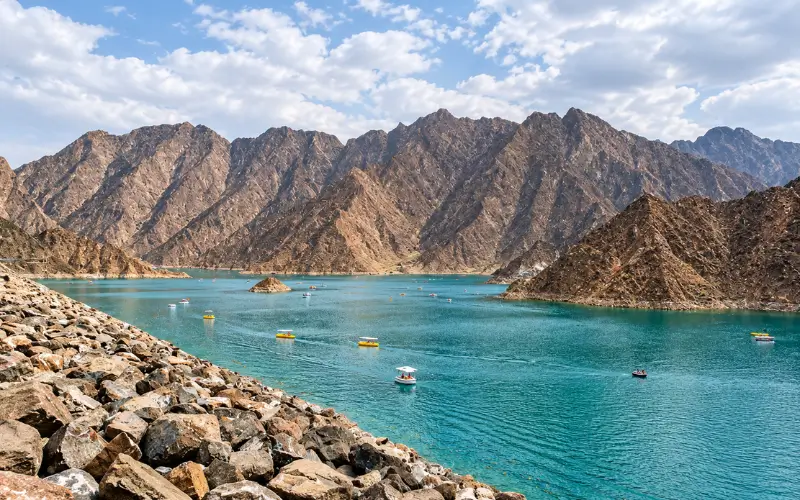
The Mountain Exclave of Hatta
Located 130 kilometers from central Dubai, Hatta is an exclave that sits high in the Hajar Mountains. Hatta is known for its climate. Hatta offers kayaking on the turquoise waters of the Hatta Dam. Hatta has mountain biking trails. Hatta also has the Hatta Heritage Village. The Hatta Heritage Village shows Emirati life.
The drive to Hatta takes 90 minutes via the E102 highway. The drive to Hatta offers views of moving sand dunes that become rugged rock. An SUV or a comfortable crossover is best for the drive to Hatta.
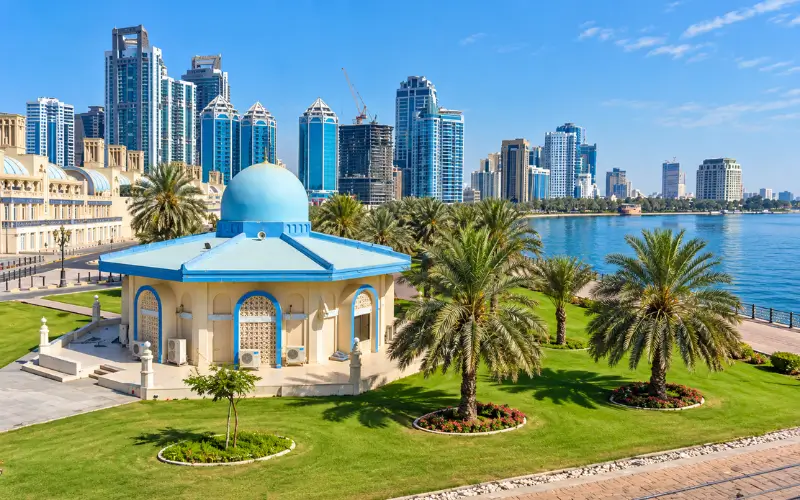
Mleiha Archaeological Centre (Sharjah)
A short drive across the Dubai border into the emirate of Sharjah brings you to Mleiha, a UNESCO-nominated World Heritage site. The Dubai border and Sharjah welcome travelers into Mleiha, where the area offers an exploration of the region’s history featuring Bronze Age tombs and pre-Islamic forts set against a backdrop of red sand dunes and limestone mountains. Mleiha continues to attract visitors with its heritage.
To get to Mleiha, you need to drive on the E55 or E102 highways. If you have your car, you can mix this trip to a place with history with a desert safari nearby or a dinner at sunset in the dunes.
Choosing the Right Car for Your Dubai Adventure
Selecting the vehicle is very important for a comfortable trip. If your plans are within the city’s paved areas, a stylish sedan or sports car gives a high-quality driving experience. If you want to go to Hatta or Al Qudra, a luxury SUV is better. A luxury SUV has space above the ground, better suspension, and lots of room for outdoor equipment.
When choosing a provider, making sure the company is reliable, has clear terms, and provides good quality vehicles is important. For travelers who want a high-end experience and do not want to deal with a lot of paperwork, Trinity Rental is an option. They have a selection of more than 80 top-quality vehicles. These vehicles include luxury SUVs, like the Mercedes G-Class and the Rolls-Royce Cullinan, as well as high-performance sports cars.
Using a service like Trinity Rental makes your travel planning easier. Trinity Rental is special because it offers cars with no security deposit, includes insurance and VAT in the price, and delivers the car for free to your hotel or the airport. So you can step off the plane or out of your hotel. Start your trip to Dubai’s hidden landscapes right away in a clean new model car.
Driving in Dubai: Essential Tips for Tourists
While the UAE is safe and straightforward for tourists, there are a couple of local rules that should be kept in mind to guarantee a smooth journey:
- Navigation. It is worth downloading apps like Google Maps. Waze is especially popular in the United Arab Emirates because it gives real‑time traffic updates. This application alerts you about speed cameras, and it can dynamically reroute you around accidents.
- Toll Gates (Salik). Dubai has a toll collection system called Salik. Rental cars are equipped with a Salik tag. The rental company tracks your passes through these gates. Bills you, at the end of your rental period, unless you use Trinity Rental as it includes a pre-paid Salik with each rented car.
- Speed Limits and Cameras. Dubai has strict traffic enforcement. Speed limits are clearly posted. While Dubai traditionally applies a 20 km/h grace buffer over the posted limit, it is always safest to adhere strictly to the numbers on the signs.
- Parking. Paid parking is enforced across most of the city. You can pay via street meters, SMS, or the RTA Dubai app. In remote areas like Al Qudra or Hatta, parking is usually free and plentiful, but ensure you park in designated hard-sand or paved areas to avoid getting stuck.
These are some of the tips that can make the overall experience even better.
Read Also: Dubai Old Village: History, Things to See, Location and Visitor Tips
Frequently Asked Questions (FAQ)
Do I need an International Driving Permit (IDP) to rent a car in Dubai?
Yes, most tourists are required to present an International Driving Permit alongside their original home country driving license. However, citizens of certain countries, including the US, UK, most of the EU, Australia, and New Zealand, can rent a car using only their home country’s license. Always verify your specific country’s status with the rental agency beforehand.
Can I take a rental car from Dubai to other Emirates?
Yes. You can freely drive your rental car across all seven emirates of the UAE, making day trips to Abu Dhabi, Sharjah, or Ras Al Khaimah completely seamless. However, taking the rental car across international borders is strictly prohibited by rental agencies.
Are there parking facilities at remote spots like Al Qudra or Hatta?
Yes, these destinations have evolved to accommodate visitors. Hatta Dam and the Al Qudra lakes feature designated parking zones. While an SUV is recommended for comfort, a standard 2WD rental car can easily access these official parking areas without needing to go off-road.
What should I do if I get a traffic fine in a rental car?
Traffic fines are linked directly to the vehicle’s registration. If you incur a fine for speeding or illegal parking, the rental company will be notified by the authorities. The agency will then pass the cost of the fine, plus a small administrative fee, onto you, usually deducting it from your final bill.