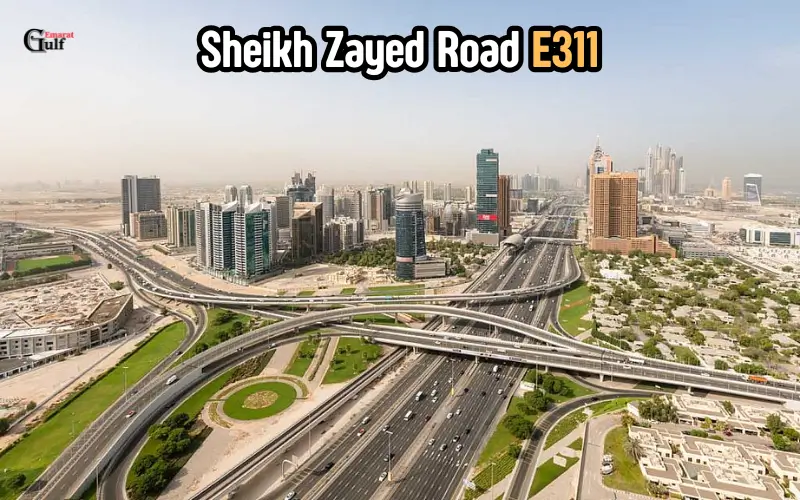
The Dubai highways consist of Sheikh Zayed Road E311. It is the city’s lifeline. It links business sites, houses, and resorts. The highway is located in the centre of Dubai. It connects major locations, especially the tall skyscrapers of Downtown Dubai and the high-end coastal districts. The highway is well-developed with large lanes. It provides easy access to large landmarks. E311 is more than a road. It facilitates business transport, commuting, and tourism. It is used in millions of vehicles per day. It is among the most active highways in the UAE.
Overview of Sheikh Zayed Road E311
Sheikh Zayed Road, also known as E311, is a major highway running parallel to the coastline of Dubai. It covers a distance of about 55 kilometers joining Dubai and other emirates like Abu Dhabi and Sharjah. It is a road that has been named after the founding father of the UAE, Sheikh Zayed bin Sultan Al Nahyan, and is meant to meet the high traffic volumes in addition to offering smooth connections throughout the city.
The highway is characterized by numerous lanes in both directions, service roads, and clearly marked interchanges, which make access to the different districts easy. Sheikh Zayed Road has changed over the years as the city of Dubai has grown in terms of its urbanization with new exits, toll gates, and better infrastructure being added to the current exits, toll gates, and infrastructure to serve the dynamic economy and large population density of the city.
Historical Background and Development
The city planning and development of Dubai has put a lot of focus on connectivity and modern infrastructure. Sheikh Zayed Road began as a plain two-lane highway, but it has been continually widened as the city experiences growth. The development of the road into a multi-lane expressway is an indication of how the city of Dubai envisions becoming a global city with world-best transport networks.
Early Construction
The Sheikh Zayed Road was constructed in the 1970s to be a main road linking Dubai and Abu Dhabi. The first maps depict a few interchanges and small roads serving commercial vehicles and the local traffic. As the population and urban expansion of Dubai increased, the road soon failed to accommodate the increased demand.
Modern Expansion
During the 1990s and early 2000s, the Dubai government conducted large upgrades and made E311 a multi-lane expressway with better traffic control systems, pedestrian crossings, and service roads. New ways of exchange were also brought to go between new business districts, residential, and tourist spots. Increased integration of electronic toll gates, CCTV cameras, and effective integration of public transport are some of the features of Sheikh Zayed Road today, with the integration of Dubai Metro stations at major locations.
Route and Connectivity
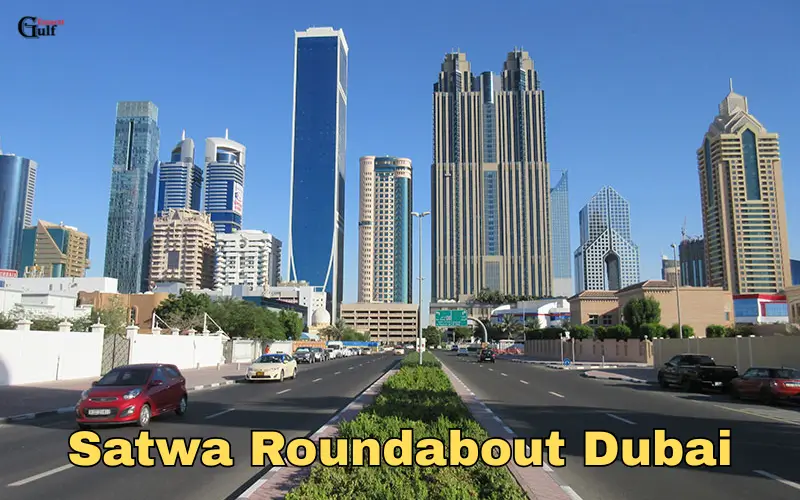
Sheikh Zayed Road E311 begins at Al Safa, adjacent to the Trade Centre Roundabout, and runs southwestwards towards the Abu Dhabi border. The highway is one of the primary highways connecting many districts, such as Business Bay, Downtown Dubai, Jumeirah, and Dubai Marina. It is strategic and essential to commuters, businesses, and logistics.
Major Districts Along Sheikh Zayed Road
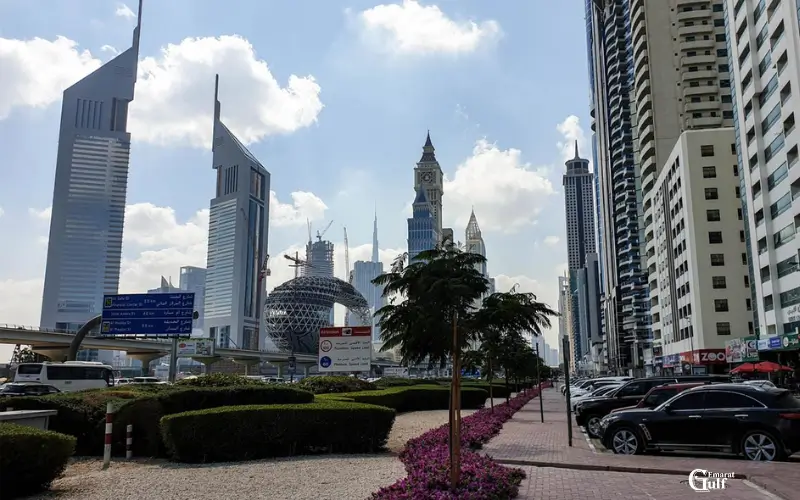
Trade Centre Area
The Dubai World Trade Centre and other corporate offices are located in this district. It is a commercial centre with a lot of traffic during working days.
Downtown Dubai
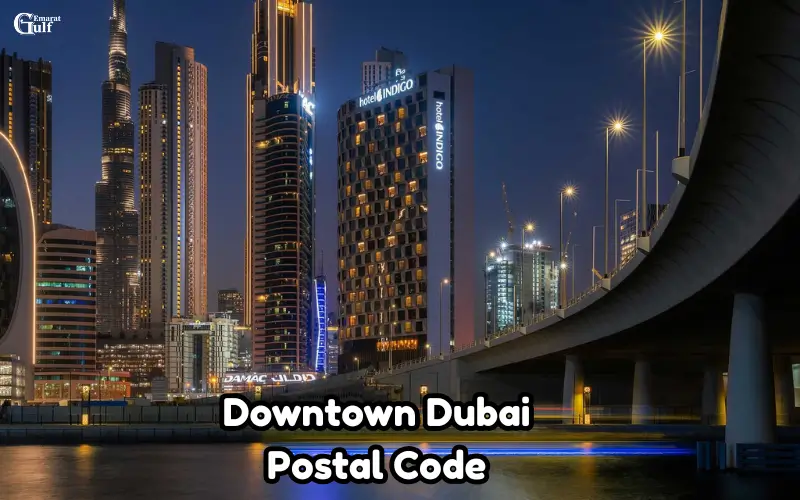
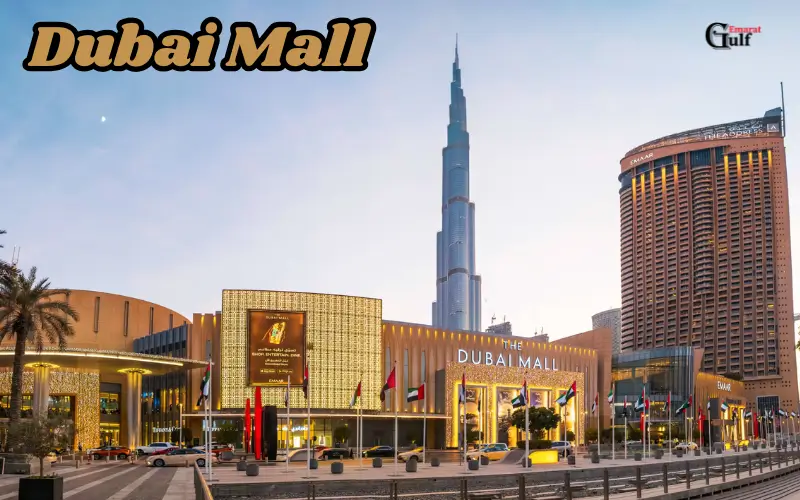
Dubai boasts of iconic structures, including the Burj Khalifa, Dubai Mall, and Dubai Opera, making it an important hub of tourists and commuters that use Sheikh Zayed Road.
Business Bay
BusinessBay is the central commercial area that has modern office skyscrapers, hotels, and shopping facilities. This area is well accessible through Sheikh Zayed road which supports economic activities.
Jumeirah and Dubai Marina
E311 is beneficial to these residential and recreational areas, as they allow them to be linked to the center of the city and the coastline.
Connecting Highways and Roads
The connectivity of Sheikh Zayed Road is improved as it intersects with other great highways:
- Al Khail Road (E44) –Cartons residential areas to the central Dubai.
- E11 (Sheikh Rashid Road) – Coexist with E311 and offers other alternatives routes to Abu Dhabi and Sharjah.
- Egress corridors to major districts- Support access to hotels, malls, and metro stations.
Infrastructure and Features
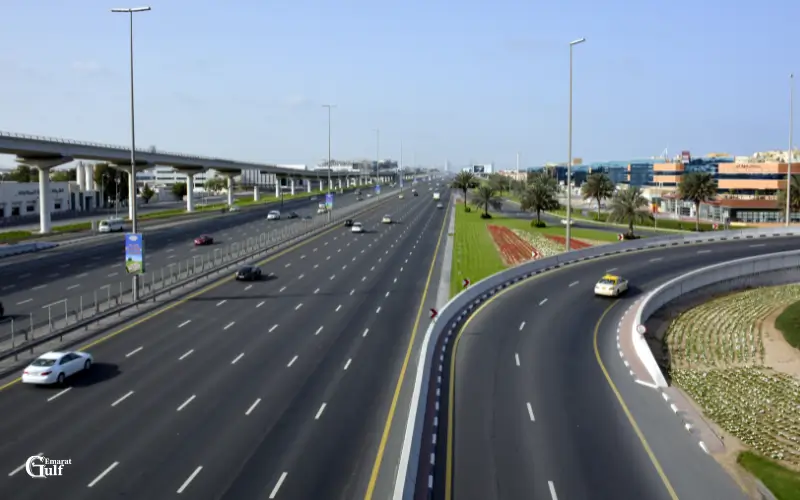
The Sheikh Zayed Road is modeled to support speedy traffic movement and massive traffic. The highway is a combination of modern infrastructure designs, as Dubai is concerned with effectiveness and safety as well.
Lanes and Interchanges
- Expressway (6-8 lanes in each direction).
- The contemporary exchanges with directional signs to free traffic.
- Parallel service roads that serve the highway.
Toll System
The Salik electronic toll system is a solution that is being applied on Sheikh Zayed Road to control congestion and ensure the road is in good condition. The toll gates are properly located to have a smooth flow and reduce time wastage.
Public Transport Integration
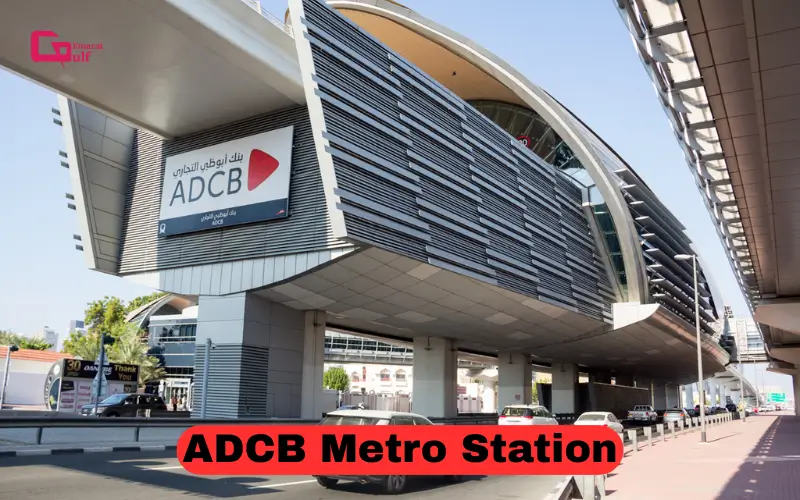
The Red Line of Dubai Metro provides access along the Sheikh Zayed Road, and Burj Khalifa / Dubai Mall and Emirates Towers are just some of the stations located along the road, where commuters have alternative ways of getting to their desired destinations instead of driving. The metro is supplemented by buses and pedestrian bridges, which contribute to the connectivity of the districts.
Safety and Traffic Management
- CCTV cameras are used to check the road conditions.
- Quick response teams and emergency lanes are provided.
- Smart lights and signage minimize traffic and enhance the safety of commuters.
Importance for Residents and Commuters
Sheikh Zayed Road is a necessity for people who work in their offices every day, as it will interconnect the residential areas to the business districts and government buildings. It also promotes economic activity as it helps in the movement of goods and services within Dubai or other emirates.
Daily Commuting
Citizens of Dubai use E311 to travel to workplaces, schools, and business places. Peak periods are associated with a large amount of traffic, especially around major interchanges like Business Bay and Downtown Dubai.
Logistics and Freight
E311 is a strategically important cargo ship route that connects industrial areas with ports, warehouses, and distribution centers. It is safe and efficient since it can handle heavy vehicles.
Tourism and Cultural Significance
The Sheikh Zayed Road is a transport road that is also a cultural and tourism road. The highway is usually used by tourists to visit the popular attractions of Dubai, such as Burj Khalifa, Dubai Mall, and Dubai Marina. The structure of the road ensures an aesthetic scene of the city skyline, which makes the road a picturesque experience for the visitors.
Activities like the Dubai Shopping Festival and the New Year celebrations at Burj Khalifa are usually characterized by traffic congestion along the Sheikh Zayed Road since it is a major road in the city of all events and cultural experiences.
Future Developments
Dubai has been investing in the process of modernizing Sheikh Zayed Road to keep pace with urbanization. Planned projects include:
- Wide lanes- To eliminate congestion and facilitate traffic flow.
- Smart traffic management- Automated AI and IoT-based real-time monitoring.
- Better walking accessibility –Bridges and underpasses to secure walking paths.
- Increased metro connectivity – More stations and feeder lines to serve the commuters.
Nearby Amenities and Facilities
Sheikh Zayed Road is not only the place where people receive transport connectivity, but it also has a great deal of other amenities:
- Dining outlets and Cafes– Mainstream food services at interchanges and exit points.
- Hotels – 5 and 4–star hotels serving tourists and businessmen.
- Shopping Centers – The shopping malls ranging between the regular shopping centers to the high-end malls such as the Dubai Mall.
- Petrol Stations and Service Centers – positioning is in commuter friendly location.
Integration with Technology
Dubai has adopted technology in order to increase the functionality of Sheikh Zayed Road. Navigation applications, real-time traffic news, and smart traffic lights can help drivers evade traffic jams. A combination of GPS-based services, ride-hailing apps, and metro connectivity will result in a smooth commuting process.
Traffic surveillance systems enable the authorities to have data to maximize the use of roads and take measures that enhance safety. With such technological developments, the Sheikh Zayed Road is not a highway but a smart transport corridor that enables the city to have a futuristic vision.
Conclusion
Sheikh Zayed Road E311 is not a highway but the support system of the Dubai urban mobility and economic development. It has a modern infrastructure, strategic connectivity, and integration with public transport, which makes it a valuable asset to the residents, businesses, and tourists alike. Since it facilitates the daily commute and offers access to the landmarks of the world, Sheikh Zayed Road represents the city of Dubai as dynamic, accessible, and modern.
Sheikh Zayed Road will keep on the center stage of the growth of Dubai, as it tries to accommodate emerging technologies, urban planning strategies, and the diverse needs of the commuters and tourists, as Dubai continues to grow. It is not only critical in the statistics of traffic but also in the sense that it encompasses the city of Dubai and how it is represented to the world.
FAQs
What is Sheikh Zayed Road E311?
It is the key highway of Dubai, which links large business, residential, and tourist hubs.
How long is Sheikh Zayed Road?
The road covers a distance of 55km across Dubai.
How many lanes does it have?
E311 contains 6 to 8 lanes in each direction so that traffic flows easily.
What is the speed limit on Sheikh Zayed Road?
The top speed is between 100 and 120 km/h.
Which major areas are connected by E311?
It connects downtown Dubai, Business Bay, Jumeirah, Dubai Marina, and Jebel Ali.
Are there tolls on Sheikh Zayed Road?
The primary E311 stretch is now free of any tolls.
What landmarks are visible along Sheikh Zayed Road?
Major highlights of the landmarks are Burj Khalifa, Dubai Mall, Emirates Towers, and Dubai Marina.