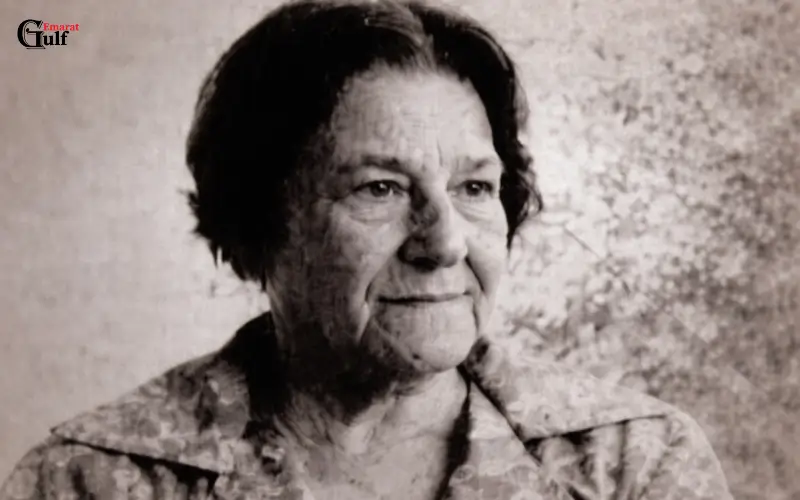
Doctor. Saniya Habboub was an innovator in Arab medicine. She was one of the very first Lebanese women to pursue a medical degree in a foreign country. Her determination, strength, and devotion to healthcare for women transformed medicine in Lebanon and influenced generations of women throughout the Middle East, including those seeking career opportunities in countries like the United Arab Emirates (UAE).
Her experience illustrates the power of female empowerment in the field and is still an inspiration for women who want to become doctors across the world.
Dr. Saniya Habboub
| Category | Details | Year / Duration |
| Birth | Beirut, Lebanon | 1901 |
| Education | Woman’s Medical College of Pennsylvania | 1931 |
| Medical Practice | Clinic in Bab Idriss, Beirut (Gynecology & Obstetrics) | 1931–1980s |
| Humanitarian Work | Lebanese Red Cross, health education | 1930s–1980s |
| Purpose | Promote women’s health & empowerment | Lifetime |
| Recognition | Health Medal of Merit, Google Doodle | 1982, 2022 |
| Legacy | Inspired generations of women doctors | Ongoing |
Early Life and Social Environment
Childhood and Family Background
Dr. Saniya Mohammad Habboub was born in Beirut in the year 1901. It was the time of the political shift and social conservatism throughout the region. Lebanon was under Ottoman influence during the time of her birth, providing femaleswith only limited opportunities, especially for higher education and in professional fields. The majority of women were required to be occupied with domestic duties,s with only a few percentage were encouraged to pursue higher education in a formal setting.
The environment of her family had a significant impact on the direction she took in her career. In contrast to other families of that time that were prevalent, Dr. Habboub’s family was a firm believer in the importance of education and development. Her family’s supportive environment helped her develop the confidence to study and develop curiosity from the age of five, traits which would eventually lead to her foresight-taking decision-making.
Education in Early Lebanon
Girls’ schools were in short supply and mostly limited to basic literacy levels that were basic. The most advanced scientific training, especially in medicine, was seldom offered to women.Despite these difficulties:
- She displayed a keen curiosity about healthcare and science.
- Her academic achievements were evident at the beginning of her academic career.
- Her mother knew that learning medical practices locally was unattainable for women.
This realization prompted her to consider looking outside of the national boundaries for educational opportunities.
The Decision to Study Medicine Abroad
Barriers to Medical Education for Women
At the beginning of the 20th century, Lebanon, as well as the Arab world were not equipped with medical institutions that would accept women. Although educational opportunities were available, the social stigma often discouraged women from pursuing demanding careers such as medicine.
Dr. Saniya Habboub faced not only the usual barriers to entry but also societal suspicion. It was a daunting prospect for a woman who traveled alone to pursue university, which was seen as irresponsible and, in many instances in some cases, unacceptable. Despite all of this, her determination to achieve the dreamof becominge a doctor.
Journey to the United States
Enthusiastic to fulfill her dreams and pursue her dream, Dr. Habboub went to her home country of the United States to study medicine. It was a pivotal stage not only in her personal life, but within the context of Lebanese women’s educational opportunities. Her story was one of self-determination as well as the refusal to submit to imposed limits.
The study abroad experience required adjusting to a completely new environment, culture, and educational system. This was a test of her endurance, butit helped broaden her perspective and bolstered her professional image.
Medical Education at the Woman’s Medical College of Pennsylvania
Academic Experience and Training
Dr. Habboub was a student at Dr. Habboub was enrolled at the Woman’s Medical College of Pennsylvania, which was one of the very few institutions worldwide that focused on women’s medical education. The school was renowned for its strict academic standards as well as its progressive perspective.
Her medical training included:
- General medicine
- Health of women
- Ethics in clinical practice and ethical responsibilities
Her extensive education helped shape her professional style and her values.
Graduation and Historical Significance
In 1931 the in 1931, Dr. Saniya Habboub earned her medical doctorate, making her the first Lebanese female to be a graduate of an overseas medical institute. It was a historic event and challenged the deeply held gender roles that were prevalent in Lebanese as well as Arab society.
Her degree was more than an individual achievement, but also an indication of the possibilities for women in the region. This proved that women are able to succeed in medical and scientific fields if they have the opportunity to learn andreceive education.
Return to Lebanon and Medical Practice
Establishing a Medical Career in Beirut
When she completed her education and her doctorate, she graduated from medical school. Dr. Habboub returned to Beirut and was determined to help the people in her area. Her medical practice was established at the Bab Idriss neighborhood, which is an area that was central and allowed women to be reached from different social groups.
In a time when the majority of women were hesitant or unwilling to get medical attention from male doctors and specialists, her presence was an important gap in healthcare medical services. She was a respected physician for women, especially those seeking care for sensitive medical issues that are sensitive.
Focus on Women’s Healthcare
She was a specialist in gynecology as well as Obstetrics. She focused on the reproductive health of mothers and women. Her medical philosophy stressed the need for healthcare to be available to all.
Her practice was renowned for the following:
- Treating low-income patients
- Offer of reduced or no-cost services in the event of need
- Prioritizing preventive care
Her compassion brought her immense admiration.
Humanitarian Work and Social Responsibility
Involvement with the Lebanese Red Cross
Outside of her private practice Beyond her private practice, the Dr. Saniya Habboub played an active role in the humanitarian projects. She was closely associated in conjunction with the Lebanese Red Cross, contributing her expertise in emergency intervention and public health programs.
It was an expression of a wider dedication to service in the community and development of the nation. She saw medicine not only as a career but also as a way to contribute to community service and a sense of collective accountability.
Support for Vulnerable Communities
Dr. Habboub committed a significant amount of time serving the marginalized, which included children, women, and those who are old. Dr. Habboub believed that healthcare must be accessible to those vulnerable regardless of income or social standing.
The humanitarian efforts she performedweres extended to health education in which she stressed the importance of hygiene, maternal health,th and the prevention of disease. This helped raise the public’s awareness of health issues and contributed to the long-term well-being of communities.
Advocacy for Women’s Education and Empowerment
Breaking Gender Norms
Being a highly successful female physician, Dr. Habboub became a living illustration of what women can be able to achieve with education and dedication. Her professional career challenged the traditional gender stereotypes and urged parents to encourage their daughters’ educational goals.
The actress frequently argued for the rights of women to access educational opportunities and career advancement, insisting that the advancement of society was contingent on the participation of women across all professions.
Influence on Future Generations
Dr. Habboub’s work inspired a lot of Lebanese women to seek career paths in science, medicine,e and education. Her successes proved that the obstacles can be overcome with persistence and support.
In time, the number of female physicians in Lebanon has increased, which is a sign of the wider influence of her groundbreaking efforts. She helped open the door to institutional reform and gender equality as a professional.
Recognition and National Honors
Health Medal of Merit
In 1982 In 1982, the Lebanese government presented Dr. Saniya Habboub the Health Medal of Merit to honor her of her many years of service in the field of medicine as well as her contribution to public health. The honor recognized her position in the medical field as a professional as well as a public persona.
The award signified the official acknowledgement of her contribution and confirmed the value of women’s contributions in the field of healthcare and to society.
Public Recognition and Legacy
Dr. Saniya’s influence goes beyond Lebanon. Her work paved the way for women who wanted to enter the field of medical practice across the Middle East, including the UAE. Nowadays, female doctors from Dubai, Abu Dhabi, and Sharjah are essential in clinics, hospitals, and research institutes, demonstrating the potential made by the pioneers of her generation.
- UAE female doctors are now involved in a variety of specialties, from pediatrics and surgery to public health and hospital administration.
- The universities in the UAE offer female students the opportunity to enroll in medical and health programs. They also support the opportunities for leadership and research.
- The government’s initiatives and policies in healthcare in the UAE encourage women’s empowerment, in line with Dr. Habboub’s lifetime commitment to social work and education.
The story of her life serves as an illustration of the significance of perseverance, determination, and education. It also shows how the courage of a woman can impact generations that span borders.
Global Recognition and Google Tribute
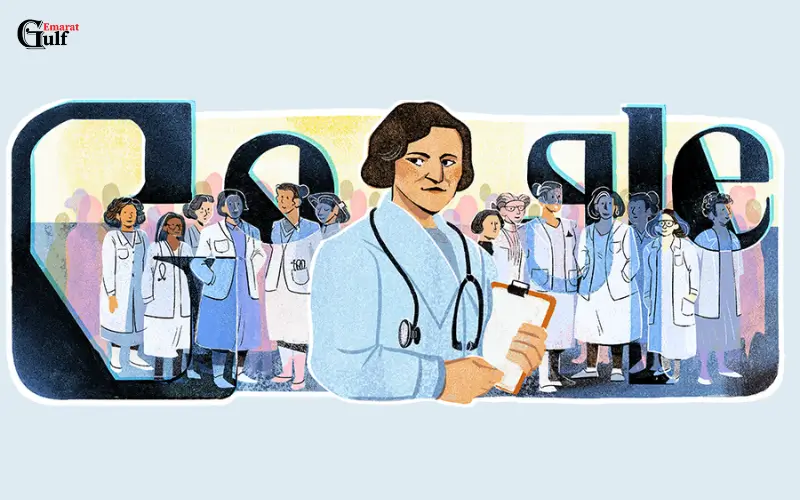
In the last few years the in recent years, Dr. Saniya Habboub received international appreciation after Google recognized her with a unique Doodle. This was a tribute to her life to the world at large and highlighted her importance in a world that transcends national borders.
This Google Doodle served as a way to remember her lasting legacy, and also the general importance of women’s contributions to the fields of medicine, science, and social advancement.
Historical and Cultural Significance
Role in Lebanese Medical History
Dr. Habboub’s efforts have contributed to modernizing medical care in Lebanon. Through the introduction of modern medical techniques and focusing on women’s health, she contributed to raising the standards of medical care as well as accessibility.
Her professional career was an era of transition within Lebanese society. And her contribution to the country reflected the broader trend toward professionalism, education, and social change.
Impact on the Arab World
One of the first Arab women to take a course in medicine in the United States, Dr. Habboub’s successes reverberated throughout Lebanon. Her achievements challenged the norms of regional society and spurred similar progress in the neighboring countries.
Her story is an essential basis for discussions regarding the rights of women, education,n and inclusion of professionals throughout the Middle East.
Dr. Saniya Habboub in Historical Documentation
Her career and her life are detailed in the following books:
- Academic archives
- Articles from the past
- Universities and educational platforms
They will also ensure that her works will be available to the next generation.
Conclusion
Dr. Saniya’s journey in life is a testament to determination, courage, and her dedication to society. She broke down barriers in Lebanon and was a model of women’s empowerment, and created an impact that continues to inspire female health experts throughout all of the Arab world, and even the UAE.
Her story serves as a reminder that determination, education, ion, and love can change lives. Women from Dubai, Abu Dhabi, Sharjah, and all over the world are continuing to follow her success, improving medical knowledge, and determining how healthcare will be in the near future across the region.
Also Visit:
Alkazu Construction Company
Sultan Ibrahim Fish Market | Guide to Premium Seafood in the Gulf
FAQ’s
Who was Dr. Saniya Habboub?
The first Lebanese woman to take a medicine course abroad, she was an early pioneer in women’s health, inspiring Arab women throughout the Middle East, including the UAE.
When was Dr. Saniya Habboub born?
The year 1901 was her birth year. The city of Beirut, Lebanon.
Where did she study medicine?
She attended her school, the Woman’s Medical College of Pennsylvania, in the United States.
What year did she graduate from medical school?
The class graduated in 1931.
What was her medical specialization?
She has specialized in gynecology, as well as the field of obstetrics.
What contributions did she make to Lebanese healthcare?
Her treatment of women was a way to promote the health of mothers and improve access to healthcare for those living in marginalized communities.
Did she work with any humanitarian organizations?
Yes, she did work with her organization, the Lebanese Red Cross, and participated in health-related programs.
What awards and recognition did she receive?
She was awarded her Health Medal of Merit in 1982. In addition, she was awarded a Google Doodle in 2022.
Why is she considered a pioneer?
She broke down social barriers to women and advanced medical training, as well as helped inspire generations of female physicians.
How is her legacy relevant to the UAE?
Her groundbreaking work continues to encourage female physicians across the UAE in the UAE, where women are heldin senior positions within clinics, hospitals, and even universities.
How can women in the UAE follow her example today?
In pursuing medical training as well as contributing to health care, as well as leading initiatives to increase women’s and public health wellbeing.