


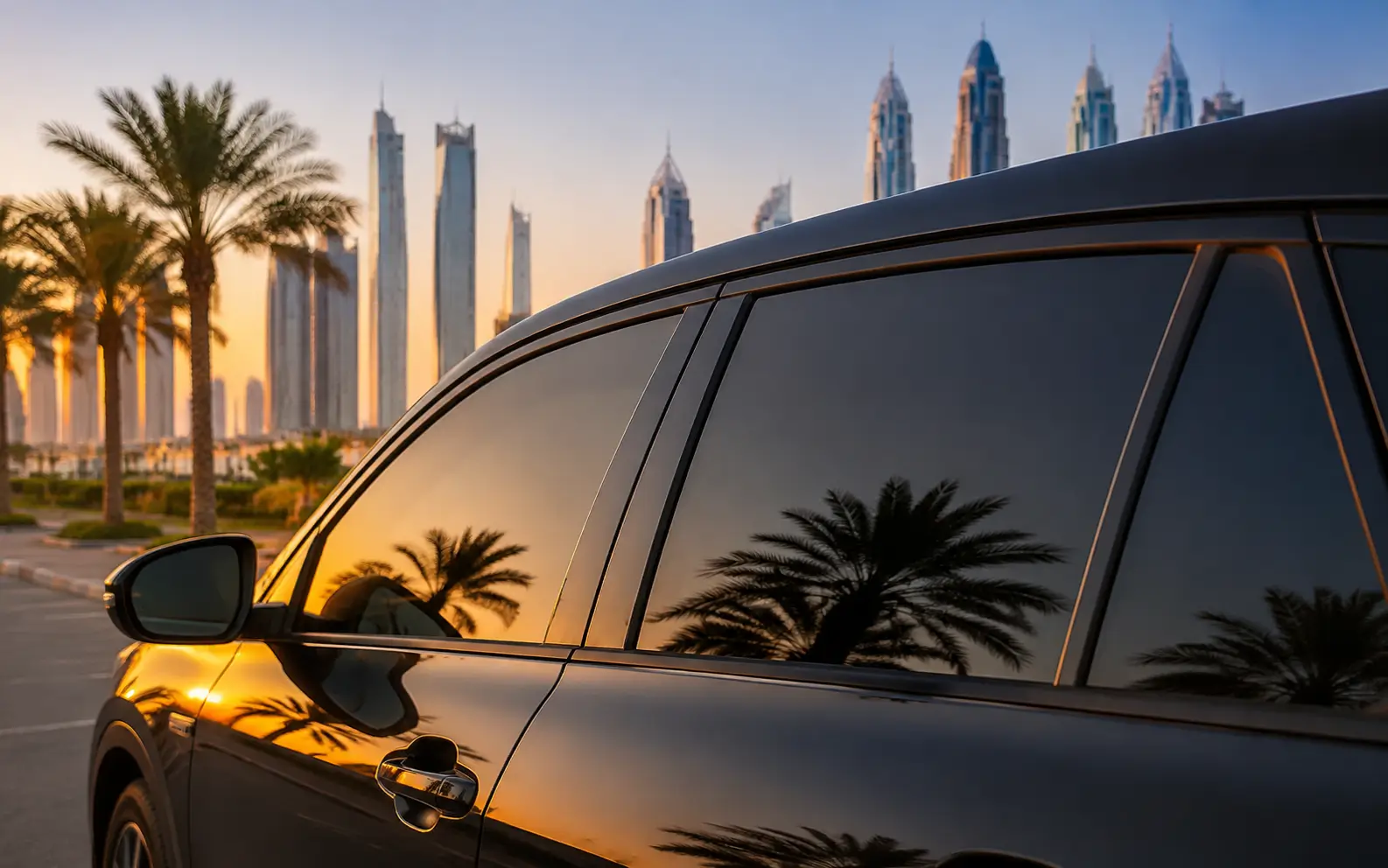
Being on the UAE on the road means exposure to high temperatures and intense sunlight for most of the year. A good window tint can provide a more comfortable driving experience and help safeguard the interior of your vehicle.
However, many drivers still adhere to old ideas that result in bad choices and/or traffic tickets. Some believe the legal tint is still at 30%, and some believe that darker tints always block heat.
Many also believe that they can’t put any protective film on the front windshield or that all types of tint are the same brand. The following window tint myths are common and may deter car owners from selecting the right window tint for their cars.
Common Window Tint Myths Every UAE Driver Should Know
Window tinting has gained significance in the UAE for many cars; however, some of the misinformation confuses. Knowing the facts enables drivers to be within the law and obtain improved comfort and protection.
Before booking window tinting in Abu Dhabi from Zenfo Auto Services, it is important to be aware of the following common window tinting myths; this way you will avoid any expensive mistakes and select the appropriate film for your car.
Myth 1: The Legal Tint Limit Is Still 30%
Many UAE drivers are still not aware that the law on car tinting in the UAE has changed. This obsolete data leads people to steer clear of window tinting or opt for a lighter tint than they need.
UAE’s legal tint percentage for private cars has increased from 30% to 50%, in reality. Several years ago, the law changed to permit drivers to tint their rear and side windows up to 50% opaqueness. This will ensure that you are kept private and comfortable and avoid needless fines.
Myth 2: Darker Tint Always Blocks More Heat
Many people think that the darker the window tint, the cooler the car will be. Some motorists opt for dark films, but they do not pay attention to how effective the films are at cutting down heat.
The Reality: The darkness of the film only determines the amount of light visible in the vehicle. The ability to block infrared and ultraviolet rays determines the heat protection. A good quality ceramic film with a lighter colour will reject a lot more heat than a poor quality, dark dyed film.
Myth 3: The Front Windshield Cannot Have Any Film
Some car owners choose not to cover their front windshield with any film because they think it is illegal to have a film over the front window. This is wrong, since they are unable to protect one of the largest glass surfaces in the vehicle.
The Reality: Dark tint is not allowed on the front windshield, but clear nano ceramic films can be legally applied. These clear films provide heat reduction, block damaging UV radiation, shield the dashboard, and offer superior visibility both during the day and night.
Myth 4: Every Window Tint Brand Performs the Same
Many people only consider window tint by price and think that all window tint brands provide the same level of tint. This usually translates to substandard performance and early replacement.
The Truth: There are many different types of window films and window film technologies. The quality of the dyed film can fade, bubble, peel, or even turn purple in the UAE sun, whereas premium ceramic and carbon films offer better heat rejection, durability, and are not likely to interfere with GPS or mobile signals.
Myth 5: You Cannot Roll Down Windows for Weeks
Some drivers think they have to leave their tinted windows closed for weeks after getting a window tint. This thought can lead to unneeded anxiety.
The Truth: Most professional installers say you should leave windows closed for 2 to 5 days until the adhesive cures. After curing, the windows can be used as usual and do not damage the film.
Myth 6: Window Tint Makes Night Driving Unsafe
A lot of motorists are concerned about the darkness of window tint after dark. This concern is generally a result of bad movies.
The truth: Premium ceramic films provide clear visibility while also minimizing glare off of oncoming headlights. They enhance night driving comfort without darkening the interior of the vehicle or making the interior dark or cloudy.
Myth 7: Bubbles Mean the Tint Was Installed Poorly
After installation, drivers may assume the tint has failed because of the presence of small bubbles. This is usually a part of the installation process.
The Truth: During installation, little bubbles form as moisture sticks under the film. Typically, they go away in 3-7 days when the film dries. If bubbles are still present after curing, it may be a problem during the installation.
Myth 8: Factory Tinted Glass Gives Full UV Protection
Many SUVs and newer vehicles will be tinted, and the owner does not need to put anything else on the glass. But factory glass is not window film.
The Truth: Factory tinted glass is primarily used to decrease visible light while offering privacy. It will not block out heat and harmful UV rays as well as a good ceramic or carbon window tint, which is an excellent addition.
Other Facts Every Driver Should Remember
Several more myths warrant consideration as they can lead to inopportune worry once installed. A few small water bubbles may occur in the first couple of days due to moisture that is trapped under the film when the fitting is done.
Generally, these will pass on by themselves when the film dries out. One of the other common misunderstandings is that it is completely protected by the factory tint film.
While factory glass does a good job of blocking visible light, it is not as effective in blocking UV and IR as a good window film.
Signs of a High-Quality Window Tint
Look for window film that performs and is durable, not just the darkest. A good window tint offers greater comfort, durability, and safety for your car and passengers.
- The high UV rejection feature helps to ward off damaging UV rays that could discolor interiors and cause skin damage.
- The high infrared heat rejection helps to keep the cabin cooler, resulting in greater comfort on long summer journeys.
- Endorsed by the Scratch-resistant surface, the film remains clean and long-lasting even after regular usage and cleaning.
- With clear visibility, driving is safe, both during the day and at night, and does not interfere with one’s line of sight for the road ahead.
- After installation, GPS, mobile phones, radio signals, and all electronic devices function normally when there is no signal interference.
Conclusion
There are a lot of window tint rumors out there that are either incorrect or based on inferior window tint goods. Knowing the legal tint limit, selecting tint film based upon heat rejection rather than darkness, and knowing what the film will do when used by every UAE driver will make it easier to make decisions.
Whether you’re tinting windows in Abu Dhabi or any other part of the UAE, the right film and professional advice will ensure comfort, vehicle protection, and compliance with local regulations.


