


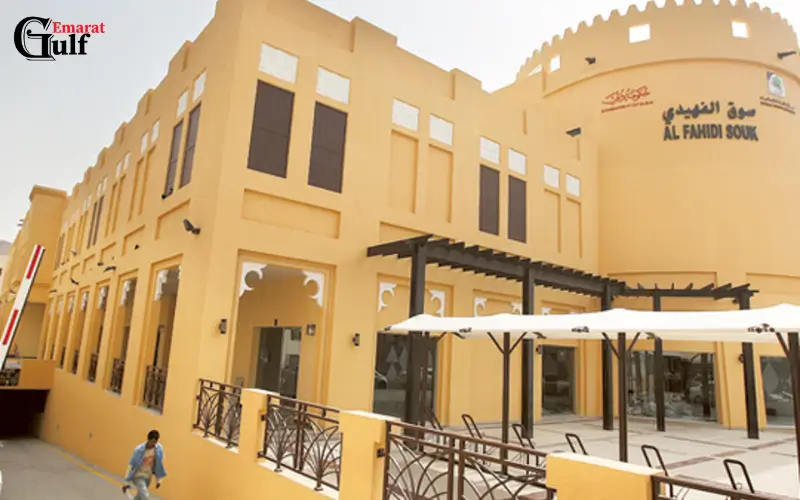
Al Fahidi Souq is a traditional market, highly culturally and historically rich, and situated in the core of the Old Dubai area. It is an embodiment of the true trading culture of the emirate, even before the emergence of modern malls and luxury shopping centers.
This historical souq belongs to the larger Al Fahidi historical zone that keeps the memory of the past, architecture, and the way of life of early Dubai. Those who visit here get to see another face of the city, the one that embodies simplicity, culture, and the traditional Arabian business.
In contrast to the contemporary retail outlets, Al Fahidi Souq is a sensory shopping experience, full of spices, fabrics, perfumes, crafts, and artifacts. It is still a major tourist attraction, attracting cultural tourists and anyone who wishes to know the history of trade in Dubai.
Location of Al Fahidi Souq
Al Fahidi Souq is a shopping center situated in the historic area of Al Fahidi in Bur Dubai, one of the oldest areas of the city. This location is near Dubai Creek, which was the primary trade route of merchants in the past who traveled to the continent of Asia, Africa, and the Middle East.
Central Position in Old Dubai
The souq is conveniently located within walking distance of various cultural landmarks and traditional neighbourhoods. Its position means that it belongs to a larger heritage zone comprising museums, forts, and traditional houses that have been preserved.
Accessibility from Key Areas
Al Fahidi Souq can be easily accessed by visitors in other areas of Dubai, such as Downtown Dubai, Deira, and Al Satwa. The place is conveniently linked by metro lines, road systems, and waterways.
Transport Connectivity
The souq can be reached through:
- Green Line Al Fahidi Metro Station.
- The Metro Station of BurJuman is nearby.
- Bur Dubai buses are operated by RTA.
- The old abra boats at the creek in Dubai.
This good connectivity ensures that the tourists and the residents can pay a visit to the souq without hassle.
Historical Background of Al Fahidi Souq

Al Fahidi Souq has a long history that is closely intertwined with the early history of Dubai as a trading hub. Dubai was founded on a trading economy, fishing, and pearl diving, long before oil was discovered.
Early Trade and Market Culture
One of the first commercial areas in Dubai was the Al Fahidi area. Indian, Persian, and East African traders used to visit Dubai Creek to trade goods like spices, textile, gold, and perfumes. The souq was created in continuation of this trade.
Role in the Pearl and Spice Trade
The pearl diving era saw the rise of a major trading hub in the form of Dubai, dealing with pearls and spices. Al Fahidi Souq was involved in the distribution of these goods both locally and abroad and contributed to the development of the early economy in Dubai.
Transformation into a Heritage Market
With time, with the modernization of Dubai, the souq developed into a heritage and cultural market. It maintains the old-fashioned ambiance today, with the primary audience consisting of tourists and cultural visitors.
Cultural Significance of Al Fahidi Souq

Al Fahidi Souq is not only a marketplace, but also a representation of Old Dubai in terms of culture.
Preservation of Emirati Heritage
The souq is an expression of classical Emirati architecture, such as wind towers, narrow streets, and buildings made of sandstone. These are a part of the bigger Al Fahidi Historical Neighbourhood, which retains the identity of early Dubai.
Connection with Heritage District
- The souq is closely connected with.
- Al Fahidi Historical Neighbourhood
It is one of the most significant cultural preservation zones in the UAE.

Cultural Tourism Value
Tourists visit this place to enjoy traditional shopping, cultural narration, and the genuine Emirati way of life, which is one of the most important tourism hotspots of Dubai.
Shopping Experience at Al Fahidi Souq.
Al Fahidi Souq has a unique shopping experience unlike modern malls. It is geared towards the conventional goods, human socialization, and cultural assimilation.
Traditional Products Available
Visitors may be offered a great number of items, such as:
- Arabic perfumes and attars.
- Crafts and souvenirs made by hand. Old-fashioned fabrics and clothes.
- Dried herbs and spices.
- Artifacts and decorations of the past.
- The culture of Arabic Perfumes and Attar.
Arabic Perfumes and Attar Culture

One of the attractions of the souq is perfume stores. You can find lots of traditional attar, which is created using natural oils, and this way, visitors receive a special experience related to fragrance, which is also characteristic of the Middle East culture.
Handicrafts and Souvenirs
The local craftsmen market the handicraft items like wooden carvings, decorative lanterns, and cultural souvenirs, which depict the Emirati heritage.
Bargaining Experience
Contrary to the contemporary shopping outlets, bargaining is a popular activity in the souq. It builds a more interactive shopping experience where customers will be able to bargain on prices with the shop owners.
Nearby Attractions and Landmarks
Al Fahidi Souq has a number of significant cultural and historical sites around it, which means it is the perfect place to explore Old Dubai in a day.
Dubai Museum and Historical Fort
The Dubai Museum is also within the vicinity and is one of the oldest constructions in Dubai. It demonstrates how the city has changed from a small fishing village into a world city.
Dubai Creek Waterfront
Another important tourist destination within the vicinity of the souq is the Dubai Creek. It has been the hub of commerce in the past and remains a beautiful site, with abra rides and culture.
Other Nearby Souks
Other traditional markets which visitors can visit include:
- Gold Souk
- Spice Souk
- Bur Dubai Textile Souk.
All these souks are combined to create the traditional shopping area of Old Dubai.
Transport and Connectivity
Al Fahidi Souq is well-connected in terms of transport.
Metro Access
The closest metro stations are:
- Al Fahidi Metro Station
- BurJuman Metro Station
The stations directly connect to key locations in Dubai.

Water Transport
Abra is a traditional boat used to cross the Dubai Creek, which is a cheaper yet scenic mode of transportation to the souq in Deira.
Road Transport
Buses and taxis of RTA can often serve the area, which makes it convenient to get to the souq regardless of the location in Dubai that the tourist or resident is in.
Visitor Experience and Atmosphere
The environment of Al Fahidi Souq is serene, cultural, and traditional. It provides a more natural and casual atmosphere in contrast to modern shopping malls.
Visitors often experience:
- Good relations with merchants.
- Storytelling of products as a part of culture.
- Classical Arabic market atmosphere.
- Photographic prospects in a historical environment.
- This has made it a cultural tourist spot in Dubai.
Travel Tips for Visiting Al Fahidi Souq
Best Time to Visit
It is best visited in late afternoon or early evening when the weather is cooler, and the market is busier.
Dress Code and Respect
Tourists are encouraged to wear conservatively since the place is a part of the traditional Emirati culture.
Bargaining Tips
- Begin the bid with less.
- Compare the prices in various stores.
- Be courteous in bargaining.
Safety Tips
The region is usually safe; however, tourists are advised to lock personal items when in a busy area.
Importance of Dubai Tourism
Al Fahidi Souq is a significant player in the cultural tourism of Dubai. It offers tourists a true Old Dubai experience in the city, which is added to the modern attractions.
It is commonly found in:
- Heritage walking tours
- Cultural exploration routes
- Tours of Dubai Creek.
This renders it a primary place of learning about the history of Dubai.
Conclusion
Al Fahidi Souq is still one of the most significant historical and cultural markets in Dubai. It embodies the old trading origins of the city and maintains the legacy of Old Dubai in a new urban environment.
The souq can provide a unique trip back in time with spices and perfumes, handicrafts, and cultural experiences. Together with its closeness to Dubai Creek and other cultural landmarks, it is a tourist and cultural hotspot that visitors to the UAE must visit.
Frequently Asked Questions
1. Where is Al Fahidi Souq located in Dubai?
Al Fahidi Souq is found in the Al Fahidi historical area in Bur Dubai, close to Dubai creek in Dubai.
2. What is Al Fahidi Souq famous for?
It is known to have a traditional Arabic shopping experience that involves perfumes, spices, textiles, handicrafts, and cultural souvenirs that are a heritage of Old Dubai.
3. Is Al Fahidi Souq a traditional market?
Yes, it’s a traditional heritage market that symbolizes the ancient trading culture of the United Arab Emirates before the construction of modern malls.
4. How can I reach Al Fahidi Souq by metro?
You may access it through the Al Fahidi Metro Station (on the Green Line), then a short walk to the BurJuman Metro Station.
5. What can I buy at Al Fahidi Souq?
Arabic perfumes (attars), spices, souvenirs, handmade crafts, textiles, and traditional Emirati goods can be purchased.
6. Is bargaining allowed in Al Fahidi Souq?
Yes, haggling is a widespread activity in the souq and is an element of the traditional shopping experience.
7. What are the nearby attractions to Al Fahidi Souq?
Nearby attractions include
- Dubai Museum,
- Dubai Creek, Gold Souk, and Spice Souk.
8. Is Al Fahidi Souq good for tourists?
Yes, it is a tourist destination of those people who have a desire to be in the world of traditional Old Dubai culture and shopping.
9. What is the best time to visit Al Fahidi Souq?
It is preferable to visit in the late afternoon or evening when the wcoolis coole,r and people are more active at the market.
10. Is there an entry fee for Al Fahidi Souq?
No, anyone is free to visit Al Fahidi Souq.