



Germany plays a significant role in the international arena of exhibitions, industrial trade fairs, technology events and business conferences. It is important for companies to carefully plan their space at these events, in order to share information, showcase products and communicate with interested parties. A successful exhibition stand uses the right materials, a relevant message, practical design and meets technical requirements of the venue.
Familiarizing yourself with the exhibition process enables businesses to better plan their budgets, engage suppliers, and prevent the needless delays. Selecting the right stand design, setting up and breaking down, every aspect is part of a successful exhibition experience.
Understanding Exhibition Stand Design in Germany
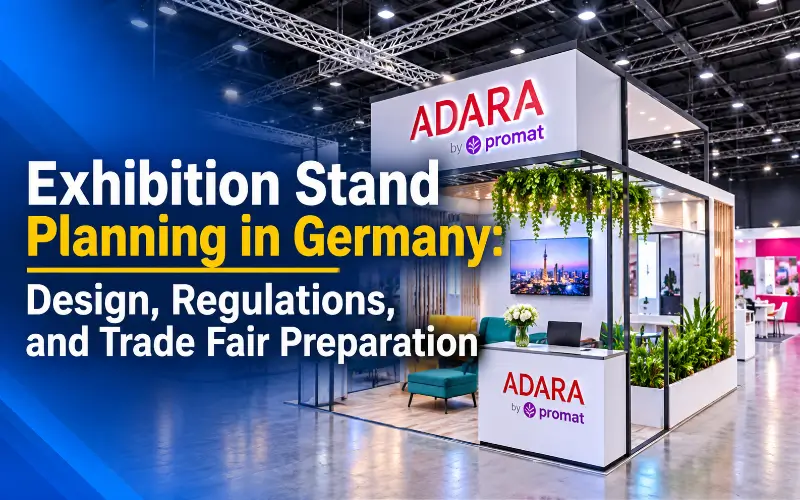
Exhibition stand design is the process of creating a stand that will be used for displaying a company’s products, services, or expertise. The design should reflect the purpose of the exhibition and enable the visitors to walk around the stand comfortably.
Companies researching an exhibition stand company in Germany can use their initial research to understand available design approaches, construction options, and project The overall design of the stands will usually vary according to the available floor space, the quantity of products to be displayed, anticipated visitor numbers and the nature of the activities to be held during the event. Simple displays and signage may be sufficient in a compact stand, and demonstration areas, meeting rooms and storage areas may be appropriate in a larger stand.
Lighting, graphics, furniture and digital displays should enhance the overall purpose and not bombard visitors with unnecessary information.
Common Types of Exhibition Stands
Various exhibition formats have various construction methods. The type of stand will vary depending on the event, budget, reusability and presentation goals.
Modular Exhibition Stands
Modular stands are built from standardised parts that come in various configurations to create a stand. They can be very handy for businesses that attend several exhibitions, as many parts can be reused. They can also be made in a modular design to streamline transport and storage.
Custom-Built Exhibition Stands
Personalised stands are created to suit specific exhibition area and presentation concept. They provide more options for dimensions, materials, light and product displays. They may need more specific planning, fabrication, transportation and installation, though.
Portable Exhibition Displays
Portable displays will typically work for smaller events, conferences and promotions. They are easy to move and put together. This format is suitable for businesses that have small spaces or don’t require a large display.
Hybrid Exhibition Spaces
Some stands have digital presentations, interactive screens, demonstrations or scheduled meetings as well as physical displays. These types of arrangements can assist exhibitors in clarifying complicated products and cater for various types of visitors.
Important Factors in Exhibition Stand Planning
The first step to successful planning is setting goals. Businesses should decide whether they are looking to conduct product demonstrations, lead generation, brand awareness, customer meeting, or technical education.
The target audience also plays a role in design. An industrial equipment exhibition could focus on demonstration area and technical information while a consumer show may want to incorporate easily accessed displays and interactive components.
The following factors deserve attention during the planning stage:
- Floor space: Review the dimensions, position, access points, and visibility of the allocated area.
- Visitor movement: Keep entrances, walkways, and demonstration zones accessible.
- Brand communication: Use consistent colours, readable text, and relevant graphics.
- Product presentation: Ensure exhibits are visible, secure, and appropriately illuminated.
- Meeting facilities: Provide suitable seating when private or detailed discussions are expected.
- Storage: Allocate space for promotional materials, personal belongings, and operational supplies.
- Accessibility: Consider visitors with different mobility requirements when arranging the layout.
Early planning gives businesses more time to compare options, review drawings, and coordinate technical services.
Technical Regulations and Venue Requirements
Exhibition sites set guidelines for access paths, suspended objects, fire protection, and electrical connections along with building height. Requirements may differ depending on venue, exhibition and stand set up.
Exhibitors are advised to check with the organiser for current technical guidelines before designing. Some of the structures, such as a larger stand, enclosed ceilings or multi-storey installation, might need formal approval and supporting documentation.
For instance, Messe Stuttgart provides technical requirements and guidelines for exhibitors on construction of stands and approval. It is important for businesses to check the most recent rules that are in effect for the venue in question, and not just based on previous event rules and specifications.
Where necessary, electrical equipment, lighting systems, audiovisual installations and structural components should be planned by qualified personnel. Aisles and shared aisles must be kept clear at all times during the event for emergency exits.
Compliance isn’t just a routine administrative procedure. It ensures visitors safety, safeguards other exhibitors and helps minimise the possibility of changes at the last minute.
Budgeting and Project Scheduling
Remember that exhibit costs are more than just the cost of the original exhibit. Costs may include design development, materials, graphics, furniture, electrical service, transportation, dismantling, storage, and including applicable venue charges.
The final cost varies based on the size, complexity of the stand, location and equipment needed. Specialised installations, structures, and/or engineering and/or approval work may be required for custom installations.
A detailed budget should make a clear distinction between those features that are essential and those that are optional. This simplifies alternative materials and layouts without interfering with key operational requirements.
Scheduling is also crucial. Design approval, artwork delivery, technical submission, production, shipment and installation should all have deadlines set for the businesses. Any equipment or parts that are shipped abroad may also require extra time for customs clearance and moving equipment from country to country.
Project schedule helps the company, the designer, contractors and venue to coordinate their work with a written project schedule.
Sustainability and Material Selection
Planning spaces for exhibitions is a topic that will become more frequently discussed in the context of sustainability. To minimize unwarranted waste, consider reusable modular systems, long-lasting materials, energy efficient lighting and carefully sized graphics.
The choice of material should take into account how the material looks, its durability, how it will be transported, how easy or hard it will be to maintain, and what will happen at the end of its useful life. Reusable structures may be particularly suitable for companies participating in several events each year.
Digital screens can also decrease the need for repeatedly printed materials, but the energy usage and equipment needs should also be taken into account. While printed graphics are not suitable for all applications, for some, they are durable, relevant and re-usable.
Suppliers should be contacted with inquiries on material specifications, storage, component replacement and recycling. The discussions contribute to defining realistic sustainability goals.
Preparing for Trade Fairs in Stuttgart
Exhibitions are held in Stuttgart that cover areas such as manufacturing, logistics, the automotive sector, hospitality, tourism and the business world. The type of stand configuration depends on the particular audience, the type of event and the specific venue.
Companies comparing Trade Show Booth Builders in Stuttgart can use their research to understand local project considerations and the different approaches available for booth planning.
Messe Stuttgart offers exhibitor information, technical documentation and service guidance. Pre-reading these resources can be beneficial for businesses to see what approvals are needed, installation plans, and what is associated with the deadlines.
It may also make communication of access to the venue, delivery schedules and installation logistics easier locally. However, it is important for the exhibitor to assess each provider on their project experience, documentation, scope of service and adherence to event timelines.
Conclusion
Designing an exhibition stand in Germany involves coordination between the exhibition design, budget, technical requirements, logistics, and visitor experience. Businesses should clearly establish their goals and objectives at the outset, choose the right stand format, check venue requirements, and determine a realistic production schedule.
Knowing the requirements in the city is essential for exhibitions in Germany and other cities to avoid unnecessary hassles and to better-prepare. The use of suitable materials, user-friendly layout, effective communication and simple reusability can also contribute to the efficient planning of exhibitions. Systematically working through each element will allow the exhibitor to develop spaces that are practical, convey the message, and meet the needs of the operation of the event.
Read Also: Creek Metro Station Dubai
Frequently Asked Questions
How early should an exhibition stand be planned?
Planning should begin several months before the event when possible. Custom-built stands, complex installations, and international shipments may require additional time. The appropriate schedule depends on the design, production requirements, and venue deadlines.
What information is needed to request a stand design?
Useful information includes the exhibition name, event dates, allocated floor dimensions, budget, brand guidelines, product details, preferred layout, and required facilities. Reference images and previous stand plans can also help clarify expectations.
Are exhibition stand approvals required in Germany?
Approval requirements depend on the venue and stand configuration. Larger structures, unusual constructions, enclosed ceilings, and multi-storey stands may require additional documentation. Exhibitors should consult the current technical guidelines issued by the relevant organiser.
What affects the cost of an exhibition stand?
Costs depend on stand size, design complexity, materials, lighting, furniture, graphics, transport, installation, dismantling, and venue services. Reusable components and simplified layouts may help manage expenditure, depending on the project.
Can an exhibition stand be reused at different trade fairs?
Yes. Modular systems and adaptable components can often be reconfigured for different spaces. Reuse depends on dimensions, technical restrictions, component condition, branding requirements, and the availability of suitable storage and transportation.
Disclaimer: The information provided in this article is intended to raise awareness about home safety and fall prevention for older adults. Every individual’s care needs are different, so families should seek professional medical guidance before making healthcare or mobility-related decisions.