

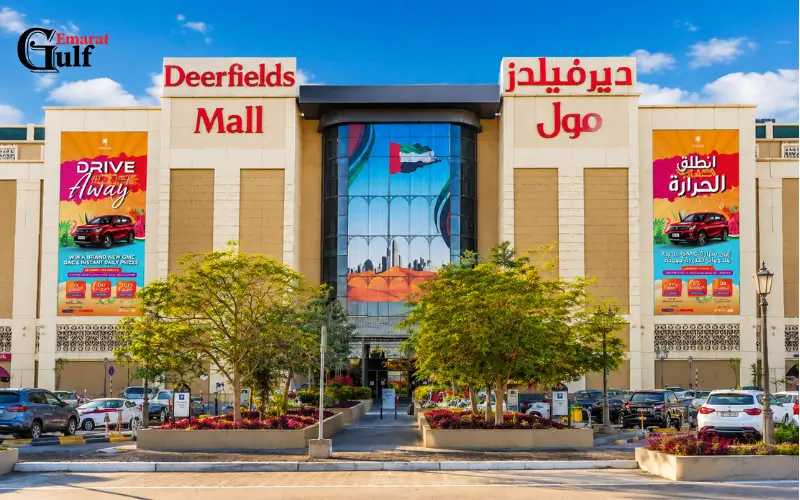
Deerfields Mall is a popular mall in Al Bahia, Abu Dhabi, for shopping and entertainment. A variety of shops, restaurants, cafés, a cinema, and family activities are available in one place at the mall. Easy access from both Abu Dhabi and Dubai via major roads, it makes it an ideal place to live and visit. The mall offers a variety of facilities for family leisure, food, and shopping every day. It’s a place of choice for residents of Al Bahia, Al Shahama, Al Rahba, Khalifa City and Al Raha Beach who seek a relaxed and comfortable shopping, resting and family environment.
Quick Facts
| Category | Details |
| Location | Al Bahia, Abu Dhabi |
| Address | 99 Al Rubban Street, Al Bahyah, Abu Dhabi |
| Type | Shopping and lifestyle mall |
| Number of Stores | Around 200 stores |
| Main Facilities | Retail shops, restaurants, cinema, entertainment, supermarket |
| Cinema | Royal Cinemas Deerfields Mall |
| Nearby Landmark | Zayed International Airport |
| Contact Number | +971 2 501 0826 |
| Weekday Timings | 10:00 AM – 10:00 PM |
| Weekend Timings | 10:00 AM – 12:00 AM |
Location and How to Reach
Deerfields Mall is situated in Al Bahia, off Al Rubban Street, near major highways that run between Abu Dhabi and the northern communities and Dubai. The area is located within the broader area of Shahama and is located close to key routes such as the E10 and E11 roads.
One of the biggest positives of the location is that it is easily accessible for the residents who are outside of central Abu Dhabi.
Distance From Popular Locations
| Starting Point | Approximate Travel Time |
| Zayed International Airport | Around 15 minutes |
| Al Raha Beach | Around 15 minutes |
| Khalifa City | Around 20–25 minutes |
| Abu Dhabi City Centre | Around 35–45 minutes |
| Dubai | Around 45–60 minutes depending on traffic |
Travel times are subject to change with traffic and may vary depending on the exact starting location.
The mall is accessible by:
- Private car with E10/E11 highway connection
- The city of Abu Dhabi offers taxi services everywhere.
- Local means of transport in Al Bahia and surrounding areas
The mall also offers parking services for visitors, making it convenient for families and shoppers who come by car.
Shopping Experience at Deerfields Mall
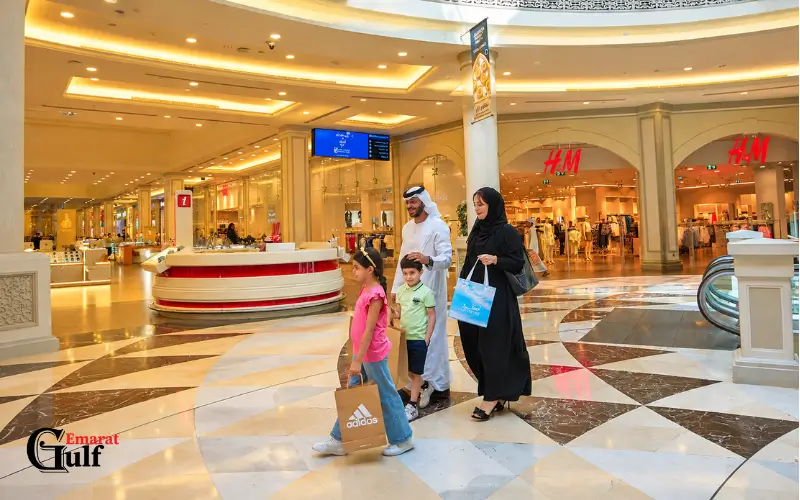
One of the primary draws of the mall is the shopping. Retail stands are a mix of fashion, lifestyle, electronics, beauty, home, and daily products.
The mall houses about 200 shops in various categories, and gives visitors numerous options to make shopping a normal routine or special occasion.
The mall offers visitors a convenient one-stop shopping experience, whether they’re looking for clothing, household goods, cosmetics, groceries, or accessories.
Fashion and Clothing Stores
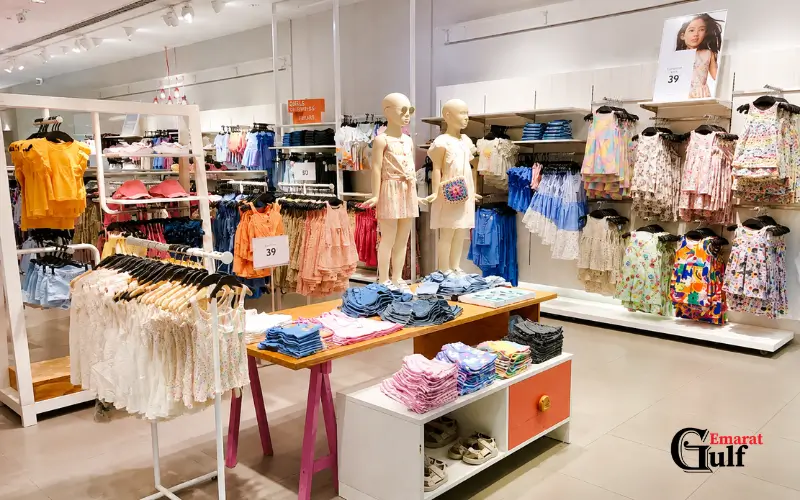
Shopping in the mall is a significant element of the mall experience. There are shops at the site to purchase:
- Men’s clothing
- Women’s fashion
- Children’s wear
- Footwear
- Sportswear
- Accessories
Well-known fashion stores include H&M, Centrepoint, Max Fashion, Brands For Less and other lifestyle stores.
These stores welcome various kinds of clientele, including families seeking to get low-cost clothes, customers who are searching for seasonal collections, and people who are on the lookout for clothes.
Home, Furniture and Lifestyle Shopping
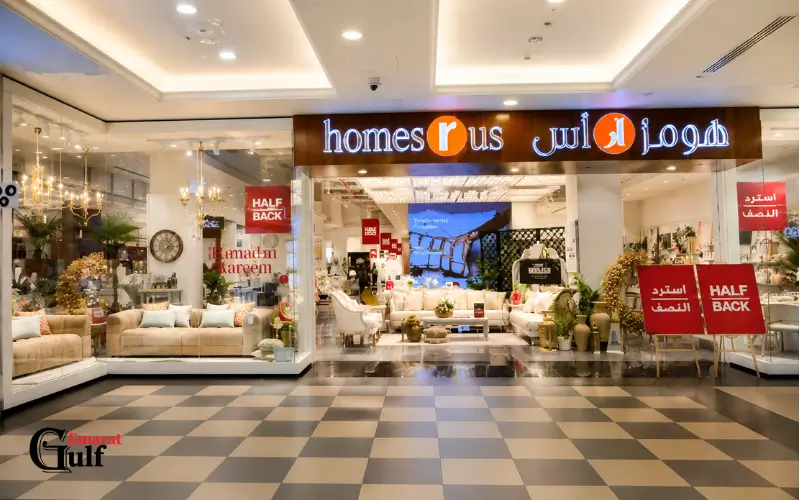
The mall is also the destination for those who need home improvement and lifestyle items.
Categories include:
- Furniture
- Home décor
- Household essentials
- Kitchen products
- Gift items
Home Box and other home-related stores can offer residents options for furnishing their apartments or villas in the nearby communities.
Supermarket and Daily Essentials
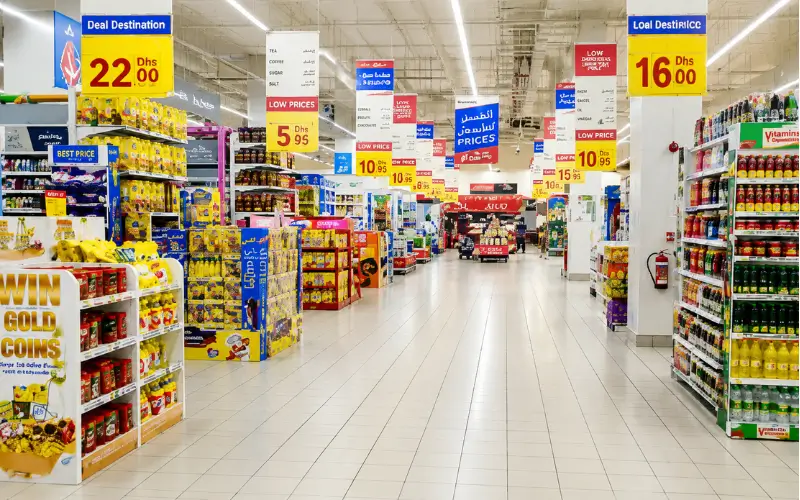
The mall offers shops every day, and this is one reason why its residents often go to it.
Carrefour offers groceries, household supplies, electronics, and essentials so that families can easily finish their weekly shopping.
The mix of retail shops and supermarket facilities allows the mall to be used for either a short or extended shopping period.
Restaurants and Dining Options at the Mall
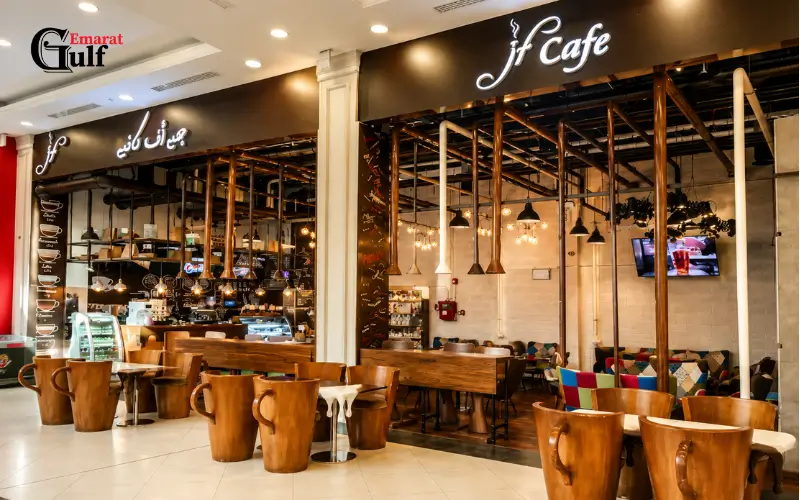
Eating and drinking are prominent facets of visitor experiences. There are multiple restaurants, cafés, and food vendors catering to varying cuisines at the mall.
There are choices of fast food, family dining, coffee breaks, and casual eating.
Popular Dining Categories
There are dining options available, which are:
- Fast food outlets
- International restaurants
- Cafés
- Desserts and bakery shops
- Family restaurants
Dining options available at the mall include the likes of KFC, McDonald’s, Subway, Papa John’s, Popeyes, Krispy Kreme and more.
If someone wants a full meal experience, some restaurants, like India Palace, offer traditional cuisine.
The mall offers many dining options to appeal to the tastes of families, friends, and shoppers who are looking to unwind after a day of shopping.
Entertainment and Family Activities
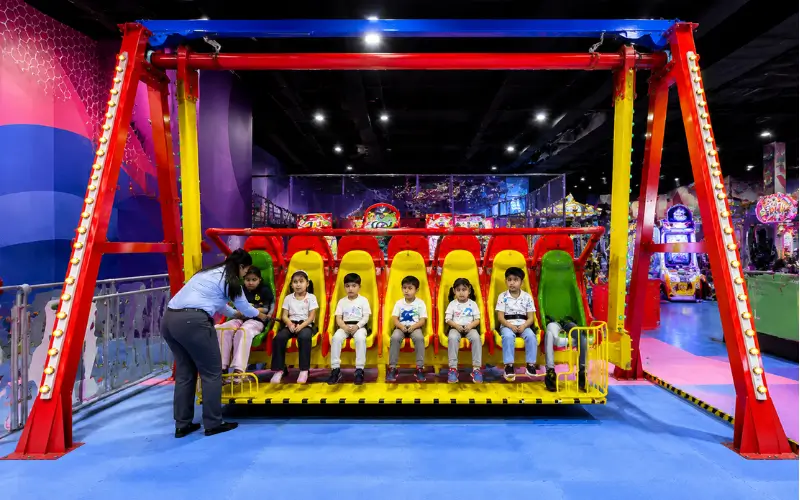
Shopping is just a small part of the experience at Deerfields Mall. The main goal of the destination is to offer families, kids, and tourists some entertainment for the entire day, indoors.
The mall is designed to be a family-friendly and convenient place to shop, eat, and play, making it a good choice for residents of nearby communities.
Some of the main entertainment options include:
- Movie experiences at Royal Cinemas Deerfields Mall.
- Children’s entertainment areas
- Events and activities that occur throughout the year.Yearly events and activities.
- Family leisure spaces
- Indoor attractions
The mall will be a good choice for outings during the weekend, particularly during the summer when families want to move to a cooler place indoors.
Cinema Experience at Deerfields Mall
The most prominent recreational center within the mall is Royal Cinemas Deerfields Mall, providing movie viewing opportunities for shoppers and diners after their shopping.
The cinema offers visitors a comfortable indoor space in which they can enjoy the latest local and international films. Cinema listings are likely to be updated frequently with new releases, so check the available cinema showtimes before booking them.
Visiting a cinema is frequently done as a family or group of friends, and it is also a great way to go out for dinner or shopping.
Facilities and Services Available for Visitors
Stores and restaurants are not the only key components of a good shopping experience. Visitor facilities are also important. Deerfields Mall offers the required services that enhance the comfort and convenience of the shoppers.
The mall offers amenities like:
- Visitor parking facilities are available.
- Prayer areas
- Restrooms
- Customer service support
- ATMs
- Family-friendly facilities
- Accessibility services
The services provided make the mall accessible to a variety of people, such as pedestrians with children, elderly people, or customers who are shopping every day.
Parking at the Mall
It is one of the crucial benefits of the mall that it offers parking. Car parking is available and is very convenient for visitors arriving by car, near the shopping areas.
The mall is outside the city center in Abu Dhabi, which means a lot of people like to travel to the mall by car. It is easy and convenient to do short shopping due to the accessible parking arrangement.
Deerfields Mall Opening Hours
| Day | Mall Timings |
| Monday | 10:00 AM – 10:00 PM |
| Tuesday | 10:00 AM – 10:00 PM |
| Wednesday | 10:00 AM – 10:00 PM |
| Thursday | 10:00 AM – 10:00 PM |
| Friday | 10:00 AM – 12:00 AM |
| Saturday | 10:00 AM – 12:00 AM |
| Sunday | 10:00 AM – 12:00 AM |
Please note that public holidays, special events, and festive seasons may cause the mall to be open for longer or shorter hours. Please check the hours of particular shops, restaurants, and entertainment before visiting.
Best Time to Visit
The best time to visit is dependent on the reason for the visit.
For Shopping and Quick Visits
Most visitors prefer to visit the nearby shops during the weekday mornings and afternoons when the crowds are less, and the air is more pleasant. These hours tend to have less of a rush, so that shoppers can look around and do more browsing.
For Family Entertainment
Families prefer evenings and weekends as restaurants are more active and so are the cinema facilities and areas of entertainment.
During Holidays and Special Events
During the following times, the mall could become more crowded:
- Public holidays
- Eid celebrations
- School holidays
- Seasonal shopping events
People who are interested in a leisurely visit may want to come in the evenings when the crowds are thinner.
Nearby Attractions
The mall’s proximity to various key destinations and areas in Abu Dhabi makes it a convenient place to be.
Al Bahia and Al Shahama
The mall is mostly used by people living in the two fast-growing communities of Al Bahia and Al Shahama, near the northern toll plaza of Abu Dhabi.
These include residential areas, schools, parks and vital services, and Deerfields Mall is an ideal shopping location for the local family.
Al Raha Beach
Al Raha Beach is a waterfront community, just a short drive from the mall. Shopping is meant to be enjoyed along with the entertainment of Al Raha restaurants, waterfronts, and leisure activities.
Yas Island
Another popular place to visit nearby is Yas Island. It is famous for leisure activities, shopping, theme parks, and entertainment.
Some people visiting Abu Dhabi who stay in the northern areas of Abu Dhabi and near the airport are apt to combine a visit to Yas Island with shopping.
Zayed International Airport
Being located near Zayed International Airport, the mall is a convenient location for travellers who would like shopping or dining before or after flights.
Why Deerfields Mall Is Worth Visiting
For many people, this is still a popular place to visit and live.
Convenient Location
The project’s location is convenient to access from northern communities of Abu Dhabi and other areas, as it is very close to major roads.
Complete Lifestyle Destination
Visitors don’t need to travel to various places for shopping, food, and entertainment, as they can do all of these in one location.
Family-Friendly Environment
It’s an ideal place for the whole family as it has restaurants, a cinema, and activities for children.
Practical Shopping Options
The mall is equipped with retail outlets, offering daily shopping options and serving as a convenient destination for frequent visits.
Tips for First-Time Visitors
It can be useful for visitors to follow a few simple tips to improve their first visit:
- Please visit each store for its specific hours before coming:
- Plan a movie by checking on the internet for movie times.
- Visit earlier during weekends to find easier parking
- Discuss other places to eat the food before the rush hour.
- Allow for additional time for shopping and entertainment activities.
Visitors can plan and have a smoother and more comfortable visit to the museum.
Final Thoughts
Deerfields Mall is a convenient shopping and lifestyle destination in Al Bahia, Abu Dhabi, offering a complete experience for families, residents, and visitors. The mall has numerous stores, restaurants, cafes, a cinema, a supermarket, and entertainment options, offering everything required for a pleasant day out. It is strategically located close to the major road, making it easily accessible from neighbouring communities such as Al Shahama, Al Rahba, Khalifa City, and Al Raha Beach. This shopping center offers a functional and welcoming atmosphere for all age groups, from doing daily shopping to spending a relaxing day at the movies with friends and family or just enjoying a meal at the restaurant.
Must Read: Ramez Mall Sharjah: Complete Shopping, Location & Visitor Guide
Grand City Mall Visitor Guide – Shopping, Food Court, Facilities & Tips
Oasis Mall Dubai – Complete Guide to Shopping, Dining & Family Entertainment
Frequently Asked Questions
What is Deerfields Mall known for?
Deerfields Mall is a community shopping and entertainment spot in Al Bahia, Abu Dhabi. It provides shoppers, restaurants, a cinema, a supermarket, and family entertainment facilities to visitors.
Where is the mall located?
This mall is in Al Bahia, Abu Dhabi, off Al Rubban Street. It is located close to the main roads, which link Abu Dhabi to Dubai and neighboring areas.
What are the opening hours of Deerfields Mall?
The mall is open around 10:00 AM on regular days, and around 10:00 AM on weekends until 12:00 AM. Some retail stores, restaurants, and entertainment centres may operate under different hours.
Does the shopping centre have a cinema?
Yes, Royal Cinemas Deerfields Mall is located in the facility, which provides movie screenings for indoor entertainment.
What shops are available at the mall?
Retailers are available to buy fashion items, lifestyle items, supermarkets, electronics, beauty products and items related to the home.
Does Deerfields Mall have restaurants?
Yes, Deerfields Mall does have several restaurants, cafés and food outlets offering various cuisines such as fast food, international and casual food.
Is the mall suitable for families?
Yes, the shopping destination caters to shopping, dining, cinema and entertainment for all age groups and is family-friendly.
How far is the mall from Zayed International Airport?
The mall is located close to Zayed International Airport, making it a convenient stop for travellers looking for shopping or dining options nearby.
Is parking available at the shopping centre?
Yes, there is parking available for visitors arriving by car, and they can park in the facilities and enjoy a comfortable visit.
Which areas are near Deerfields Mall?
The surrounding areas are Al Bahia, Al Shahama, Al Rahba, Al Raha Beach, Khalifa City and Al Muneera. Convenient access to the mall for these communities.