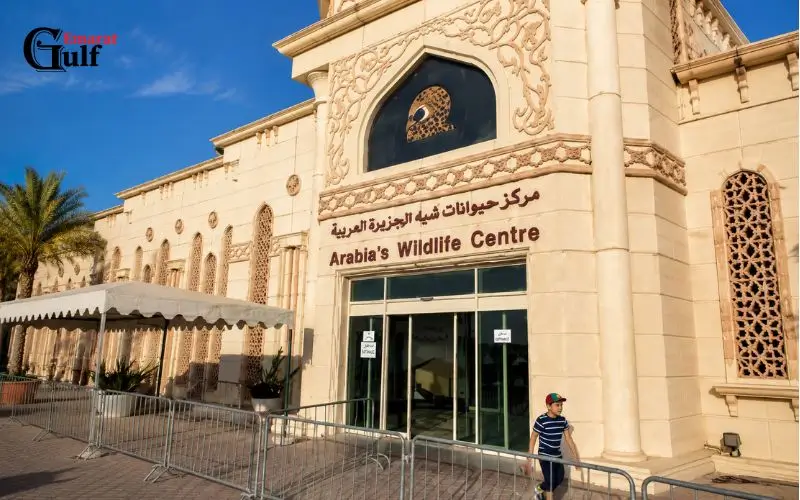
The Arabian Wildlife Centre is an important wildlife attraction in the United Arab Emirates. The centre is part of the Sharjah Desert Park, which offers visitors a unique chance to see the wildlife of the Arabian Peninsula in well-designed habitats and to learn about conservation initiatives in the region. The zoo is not like other zoos; it is dedicated to Arabian wildlife, environmental education and species preservation. It is well known for the exhibits of endangered species like the Arabian leopard and the Arabian oryx, and the breeding and conservation activities carried out all across the region. From the tourist, the wildlife enthusiast, the student or the family wishing for an educational day out, it is one of the most complete introductions to the biodiversity of the Arabian region.
Arabian Wildlife Centre Quick Facts
| Feature | Details |
| Location | Sharjah Desert Park, Al Dhaid Road, Sharjah |
| Distance from Sharjah City | Approx. 30 km |
| Distance from Dubai | Approx. 40–50 km |
| Opening Year | 1999 |
| Main Focus | Arabian Wildlife Conservation |
| Number of Animal Species | 100+ Species |
| Recommended Visit Duration | 2–3 Hours |
| Suitable For | Families, Students, Tourists |
| Indoor Exhibits | Yes |
| Outdoor Exhibits | Yes |
| Nearby Attractions | 4 Major Attractions |
| Best Visiting Season | October–April |
| Photography Allowed | Yes (Personal Use) |
| Educational Value | High |
| Conservation Programs | Multiple Ongoing Initiatives |
Why the Arabian Wildlife Centre Is Unique
One way the Arabian Wildlife Centre is unique is that it is almost solely dedicated to species found naturally on the Arabian Peninsula. Visitors will be able to view mammals, reptiles, birds, marine life and animals that have adapted to desert and mountain areas.
The facility is unique in that it possesses the following characteristics:
- Focused on the wildlife of Arabia, not on animals throughout the world.
- Great focus on conservation and education.
- Viewing areas where you can be comfortable year-round, indoors.
- Linkages to regional breeding and preservation programs.
- Easy way to use and family-friendly layout.
The centre is one of the most important wildlife education centres in Sharjah and is of great importance in raising environmental awareness.
Location and Accessibility
The centre is located in the heart of Sharjah Desert Park on Al Dhaid Road, about 30 kilometres from the centre of Sharjah. The facility is easily accessible from the rest of the complex, including museums, conservation facilities and family attractions.
History and Conservation Mission
It is Sharjah’s long-term plan for environmental conservation that led to the development of the wildlife centre. The project of the desert park continued in stages, with the establishment of educational museums as well as the adjacent Breeding Centre for Endangered Arabian Wildlife.
It serves to accomplish these missions:
- Conserving plants from the Arabian region.
- Providing support for captive breeding programs.
- Informing the public on biodiversity
- Promoting environmentally friendly activities
- Ensuring the conservation of threatened wild animal and plant life
The centre collaborates with regional conservation efforts to protect species that are losing their habitat and declining in numbers.
Animals You Can See at the Arabian Wildlife Centre
The huge diversity of the flora and fauna species which are native to the centre is one of the main attractions for visitors.
Arabian Leopard
The Arabian leopard is one of the world’s most endangered big cats and is a flagship species of the centre. Conservation programs are in place across the region to conserve and expand its numbers.
Arabian Oryx
The Arabian oryx is considered one of the most successful wildlife conservation stories. It was once extinct in the wild, but was brought back through breeding and reintroduction.
Arabian Wolves and Foxes
Visitors will be able to see predators that are specially adapted to the desert, with the following:
- Arabian wolf
- Rüppell’s fox
- Blanford’s fox
- Sand fox
These species illustrate how the organisms are able to survive in dry conditions.
Read Also:LuLu Arabian Center Dubai
Gazelles and Antelopes
There’s a big outdoor display of different herbivores, such as:
- Arabian sand gazelle
- Goitered gazelle
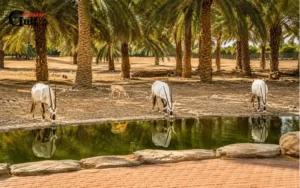
- Arabian oryx
- Other native ungulates
These habitats recreate natural desert landscapes.
Birds of the Arabian Peninsula
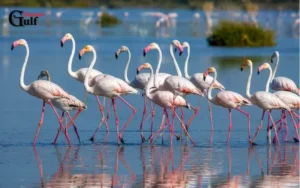
The aviary features a variety of birds from around the world.
Visitors may encounter:
- Houbara bustards
- Partridges
- Eagles
- Falcons
- Weavers
- Flamingos
The collection reflects the diversity of avifaunal life found in the desert, mountains and wetlands of Arabia.
Reptiles and Amphibians
Many reptiles can be found in the desert, including:
- Arabian cobra
- Saw-scaled viper
- Chameleons
- Lizards
- Various desert snakes
Interpretive displays describe how these animals cope with extremes in temperature and limited water.
Nocturnal Species
The nocturnal exhibit is one truly intriguing section.
Here, the visitors may see active animals after dark, which gives an idea of how animals survive in the heat of the day in the desert.
Main Exhibition Zones
Mammal Habitats
Some very iconic species are found in the mammal exhibits at Arabia. Natural behaviours are observed with careful design that allows viewing areas with little disturbance.
Reptile House
The desert reptiles and adaptations are emphasised in this section. Venom, camouflage, hunting and habitat needs are explained in educational displays.
Aviary
The big enclosure for birds models regional ecosystems and enables many species to move around in a natural environment.
Aquarium and Marine Displays
The marine exhibits expose visitors to the aquatic species of the Arabian waters, and extend their knowledge of the region’s biodiversity beyond the desert environment.
Nocturnal House
Special lighting systems are used to simulate nighttime and enable the observation of species that are not normally seen during the day.
Arabian Wildlife Centre Ticket Prices
| Visitor Category | Ticket Price (AED) |
| Adults (13 Years and Above) | 15 |
| Children (2–12 Years) | 5 |
| Children Under 2 Years | Free |
| People of Determination | Free |
| Senior Citizens | Free (Subject to Policy Updates) |
Note: Prices of tickets are subject to change. Visitors are advised to check the current admission charges via official channels of Sharjah tourism or the Arabian Wildlife Centre before planning their visit.
Educational Value for Families and Students
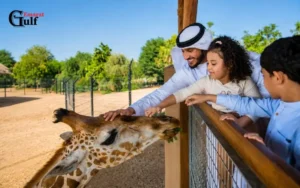
The centre is a significant educational resource.
Groups from school visit regularly and learn about:
- Ecology
- Conservation biology
- Desert ecosystems
- Native wildlife
- Environmental sustainability
The facility is accessible to all ages with interpretive signs and exhibits presenting scientific information in an accessible form.
Parents may like the blend of fun and learning that helps a child understand the conservation of wildlife.
Conservation Programs and Research
One of the biggest assets of the Arabian Wildlife Centre is its ties to conservation projects.
The Breeding Centre for Endangered Arabian Wildlife is located nearby, where endangered species of the Arabian region are bred, and a research centre on the management of wildlife in the region is based.
Conservation priorities include:
- Species recovery
- Genetic diversity preservation
- Wildlife research
- Habitat protection
- Public awareness campaigns
These programmes support the conservation work of the whole of the Arabian Peninsula.
Read Also: Mina Rashid Testing Center Dubai
Visitor Experience
The centre was built to be accessible all year round.
Many outdoor attractions for wildlife are not as cool as this one is, as it offers the chance to experience the exhibits without the extreme heat of the summer months.
Visitors frequently praise:
- Clean facilities
- Spacious enclosures
- Educational exhibits
- Family-friendly atmosphere
- Comfortable indoor environment
The quality of the animal environment and the educational aspects of the experience are frequently commented upon.
Best Time to Visit
As most of the facility is indoors, it can be visited all year round.
But many travellers book their holiday in conjunction with other events within the Sharjah Desert Park, making the cooler months between October and April the most popular time.
To have a less serious time:
- Visit on weekdays
- Come as early as possible in the morning
- Try to avoid holidays that have a high number of people in public.
- Give some time for exploration (2 to 3 hours)
Typically, it takes about half a day to explore the entire desert park complex.
Arabian Wildlife Centre Opening Hours
| Day | Opening Hours |
| Sunday | 9:00 AM – 5:30 PM |
| Monday | Closed |
| Tuesday | 9:00 AM – 5:30 PM |
| Wednesday | 9:00 AM – 5:30 PM |
| Thursday | 9:00 AM – 5:30 PM |
| Friday | 2:00 PM – 5:30 PM |
| Saturday | 11:00 AM – 5:30 PM |
Please note, opening times may vary during public holidays, special events or during the month of Ramadan. Please consult the most up-to-date schedule before attending.
Nearby Attraction
It is easy to visit the Arabian Wildlife Centre alongside many of its surrounding attractions to make for a full day of learning and exploration to be had in Sharjah.
Sharjah Desert Park
The larger complex is Sharjah Desert Park, which contains the wildlife centre. It provides learning exhibitions, family fun activities and knowledge about the natural environment of the region.
Sharjah Natural History Museum
This museum is in the park and has interesting exhibits on geology, fossils, ecosystems and the evolution of the Arabian Peninsula. It’s a great spot for anyone interested in natural history.
Children’s Farm
At the Children’s Farm, visitors can safely play with domestic animals. It offers an enjoyable hands-on learning experience and is a popular attraction for families.
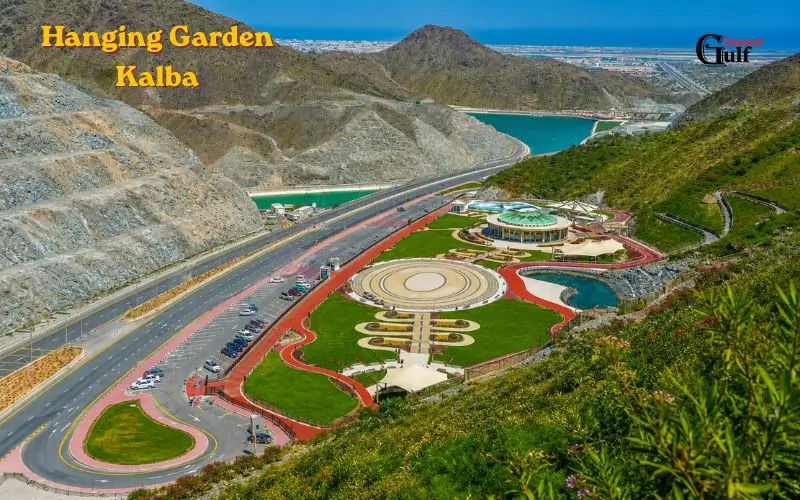
Al Hefaiyah Mountain Conservation Centre
It is located in Khor Fakkan, where it displays the wildlife of mountainous regions. The well-planned habitats are open to visitors, and they can learn about the conservation efforts and the protection of endangered species.
Practical Visitor Information
| Information | Details |
| Location | Sharjah Desert Park, Al Dhaid Road |
| Type | Wildlife conservation and education centre |
| Main Focus | Arabian Peninsula wildlife |
| Suitable For | Families, tourists, students, researchers |
| Recommended Visit Duration | 2–3 hours |
| Environment | Predominantly indoor |
Opening times and admission fees can change periodically, so visitors should verify current details through official Sharjah tourism channels before travelling.
Why the Arabian Wildlife Centre Matters
As urban sprawl and environmental pressures impact natural habitats, wildlife conservation has become a growing concern throughout the Middle East.
The Arabian Wildlife Centre is a conservation centre and an educational hotspot. It displays native animals and encourages breeding programmes to help safeguard some of the most iconic species of the Arabian Peninsula for the future.
The centre has a lot more to offer visitors than viewing of animals. It helps to deepen the understanding of the ecological heritage of the region and the action that needs to be undertaken to protect its heritage.
Read Also: Nad Al Hamar Avenues Dubai
Al Karama Medical Fitness Express Services Center
Conclusion
The Arabian Wildlife Centre is a great place to see the Arabian Peninsula’s wildlife. The centre offers animals to be close to, including rare predators, desert animals, reptiles and birds. It is also a popular place for both residents and tourists, especially with its modern exhibits, family-friendly facilities, and being located in Sharjah Desert Park. The Arabian Wildlife Centre is a great place to visit for anyone who loves nature, wildlife, and environmental education, and it’s definitely a must-add to any itinerary to Sharjah.
Frequently Asked Questions
What is the Arabian Wildlife Centre?
The Arabian Wildlife Centre is a conservation facility located in Sharjah, showcasing animals from the Arabian Peninsula and educating visitors about the environment.
In which country is the Arabian Wildlife Centre?
It is situated in Sharjah Desert Park, Al Dhaid Road, 30km away from the Sharjah city centre.
What animals do visitors get to see at the centre?
Visitors can see Arabian leopards, Arabian oryx, wolves, foxes, gazelles, birds of prey, reptiles and several nocturnal animals.
Would the Arabian Wildlife Centre be a good family-friendly place?
Yes, the centre is perfectly suited for families, school groups and nature lovers with educational exhibits and a child-friendly environment.
How long will I stay at Arabian Wildlife Centre?
An average time of two to three hours is spent visiting the exhibits and getting information about Arabian wildlife.
At what time of the year is the best time to visit the centre?
The centre is open throughout the year, although the cooler weather from October through April is best for sightseeing.
What is the significance of the Arabian Wildlife Centre?
The centre also promotes the conservation of wildlife, including endangered species, the promotion of breeding programs, and awareness of the importance of the natural heritage of the region.