



Finding a safe and dependable location to live in is among the main concerns of people working and living in Abu Dhabi. In the past, Mussafah has developed into an extremely well-organized residential and industrial zone with the capacity to house thousands of workers and skilled workers. The region is renowned for its well-constructed housing, essential services as well as its close proximity to major workplaces. This guide will explain the way in which living arrangements are implemented in the area, what residents can be expecting, and how this area is still playing an important role in the lives of employees.
Location and Accessibility Within Abu Dhabi
Mussafah is located to the southwest of Central Abu Dhabi, making it one of the easiest industrial zones in the Emirate. Residents here enjoy the proximity of warehouses, factories and construction sites as well as logistics hubs. Transport options both private and public allow for daily travel without any expense or long travel time.
The network of roads connecting Mussafah to other locations like Mohammed Bin Zayed City and Abu Dhabi city center is well-developed. Numerous companies provide transportation for their employees and reduce commute stress. If employees rely on public transportation, the routes are generally frequent and stable, especially in peak times of the day.
Housing Structure and Accommodation Standards
The housing facilities in this region are designed with practicality in the back of their minds. Many homes are designed to house groups of employees in a shared space, ensuring the efficient use of space while complying with safety standards. Rooms are usually furnished with basic furniture, proper ventilation and shared facilities for sanitation.
Accommodation providers must abide by local regulations on labor and municipal laws. These regulations cover room size sanitation and fire safety as well as access to safe water. Although the design of the dwelling is straightforward, the focus is on ensuring a safe and clean environment instead of the luxury.

Common features in housing units include:
- Rooms for shared sleeping with beds assigned
- Separate cooking areas or eating
- Scheduled cleaning and maintenance routines
- Security on-site or supervision
This method of planning helps to reduce overcrowding and promotes better living conditions as compared to non-regulated housing alternatives.
Daily Facilities Available to Residents
The daily life of residents’ homes can be supported with a wide range of essential, but basic amenities. These facilities are designed to aid residents meet their daily demands without having to travel far.
Food stores, budget food establishments, and small retail stores are usually found in close proximity. A lot of housing communities also have prayer areas, spaces for relaxation, as well as designated laundry areas. Access to health clinics and pharmacies within the surrounding zones ensures that medical concerns are addressed swiftly.
Cost of Living and Affordability
One of the major reasons why people prefer housing in Mussafah is the affordability. In comparison to other areas in Abu Dhabi, living costs are lower, particularly in cases where housing is offered or subsidised by employers. Costs like rent or utilities, as well as transportation are usually managed in a collective manner which reduces financial burden on individuals.
The table below provides an overview of the typical monthly expenses for employees who live in shared housing:
| Expense Type | Estimated Monthly Cost (AED) |
| Shared Accommodation | Employer-provided or low cost |
| Food and grocery items | 300 – 600 |
| Transportation | Often, employers include it in their hiring process. |
| Personal expenses | 200 – 400 |
Actual costs can vary based on policies set by employers and individual lifestyle choices.
Work Proximity and Employment Benefits
Being close to areas of construction and industrial activity increases the efficiency of your work life. A shorter commute means employees can get enough rest and have a better routine for their day. Employers also benefit, since productivity and punctuality tend to increase when employees live close to their workplace.
A lot of companies opt for Mussafah-based accommodation specifically to meet the laws governing accommodation for workers while ensuring their employees are close to work locations. This arrangement facilitates smoother operations and less logistical issues.
Safety, Rules, and Community Environment
Safety is the top priority when it comes to housing for workers organized by the union. The majority of residential areas adhere to strict rules for cleanliness, access for visitors and noise restrictions. Security guards or supervisors are usually in place to keep the peace and control of emergencies.
The environment of the community is typically multi-cultural, with people from various countries and backgrounds. Although the language and culture may differ however, common routines and routines promote collaboration and understanding between the inhabitants.
Living Conditions Compared to Other Industrial Areas
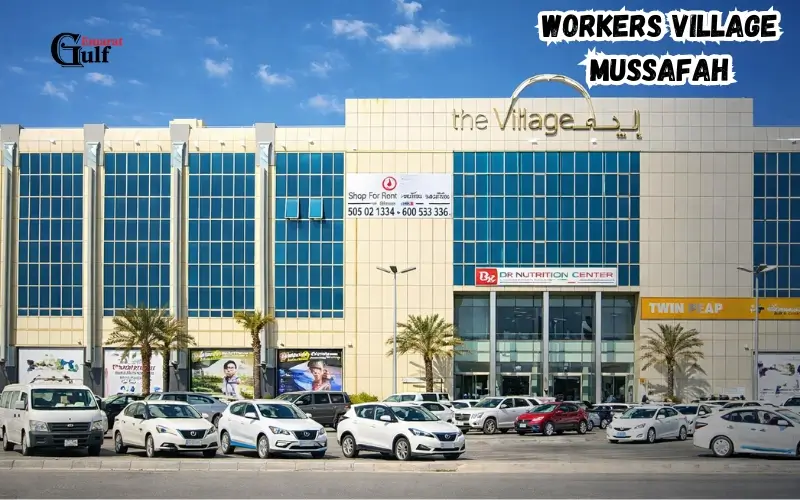
If you compare it to other older or less well-regulated labour housing areas, Workers Village Mussafah stands out due to more effective management and oversight. The improvements in infrastructure over the years have resulted in cleaner surroundings along with improved roads and easier access to facilities.
While accommodations are still essential, the uniformity of standards can make a significant difference in the quality of life. Workers typically face fewer problems with health and safety as compared to non-planned residential settings.
Challenges Workers May Face
Despite its advantages, living in a shared house isn’t without its challenges. A limited private space and facilities, as well as shared and rigid schedules can prove difficult for some people. Living in a communal setting requires a lot of patience and co-operation.
Furthermore, the options for recreation within residential areas are a bit limited. People often depend on weekends to visit Workers Village Mussafah areas to enjoy recreation. Many residents see these problems as acceptable trade-offs in terms of affordability and proximity to work.
Long-Term Development and Improvements
Authorities continue to concentrate on improving the industrial residential areas. Improvements in infrastructure, improved disposal systems, and a stricter enforcing of standards for housing have gradually led to better living conditions.
Future plans typically include improved transport connections and more services. These initiatives aim to help support the expanding workforce and to maintain decent living standards that are in line with national labor laws.

Why This Area Remains Important for Workers
The village’s workers continue to play an important part in Abu Dhabi labor environment. Its location, accessibility and well-planned housing system makes it an ideal choice for both employees and employers. Although it doesn’t offer the most luxurious lifestyle, it offers security, stability and easy access to employment opportunities.
The region is a place of equilibrium between practical economics and the regulated standards of living. For many people the balance is crucial to ensure long-term employment and financially secure in the UAE.
Related Article: Sultan Ibrahim Fish Market
Conclusion
The housing arrangements in Mussafah have been designed to be functional, safe and accessible. For those who work, the region has affordable accommodations near major employment zones and is backed by vital services and regular transportation routes. Although shared housing comes with some restrictions, the overall structure can provide security, routine and stability. Through continued improvement and oversight these areas are an essential part of Abu Dhabi’s infrastructure for workers that supports the growth of both the economy and workers’ welfare in a sustainable and practical manner.
Related Article: Satwa Roundabout Dubai
Frequently Asked Questions
Who lives in the typical worker’s homes in Mussafah?
These accommodation options are mostly utilized by technicians, laborers as well as skilled workers in the construction, industrial and logistics industries.
Are these facilities for housing provided by employers?
In most cases employers offer or pay for accommodation in their employment contracts, particularly when they have large operations.
Is public transportation readily accessible from Mussafah?
Yes, bus services and corporate transport options are often accessible, connecting residents with work locations and other areas within Abu Dhabi.
Are living conditions monitored by the authorities?
Yes, housing providers have to comply with the labor and municipal regulations regarding hygiene, safety and occupancy standards.
Are workers able to prepare their own meals in these rooms?
The majority of housing arrangements have common cooking or dining areas However, rules may differ in accordance with the particular facilities and policies of the employer.
Is Mussafah suitable for a long-term home?
For many people this is a feasible longer-term choice due to its accessibility, affordability and a steady standard of living.